
Pika is a small mammal that belongs to the family of Lagomorpha, which also includes rabbits and hares. It is a herbivore and is often found in mountainous regions around the world. Pikas look like a cross between a mouse and a rabbit, but they are actually more closely related to rabbits than mice. They are usually about 6 inches long, with short legs and a short tail. They have thick fur that helps them stay warm in cold climates. Pika are active during the day and feed on grasses, flowers, leaves, bark, buds, mosses, lichens, and insects. They live in burrows or crevices in rocks or grassy meadows.A Pika is a small mammal in the family Ochotonidae, also known as a “rock rabbit” or “boulder bunny”. They are native to higher elevations of Asia and North America and have round, short ears, no external tail, and a small stature. They are diurnal animals that live in rocky habitats and feed on grasses, flowers, mosses, and lichens.
Contents
Physical Characteristics
Pikas are small mammals that have a rounded body shape and short limbs. They typically measure around 6 to 8 inches (15 to 20 cm) in length and weigh between 4 and 6 ounces (113 to 170 grams). Their fur is usually grayish-brown or grayish-white in color, with some species having a reddish tint. Pikas have short, rounded ears that are held close to the head, and their tails are usually stubby.
Habitat
Pikas are found in mountainous regions across North America and Eurasia. They inhabit rocky areas with good cover, such as talus slopes, cliffs, rock piles, boulder fields, and ravines. Pikas prefer high elevations where temperatures remain cool throughout the year.
Behavior
Pikas are active during the day and can be seen gathering food near their dens or sunning themselves on rocks. They use loud vocalizations to communicate with each other and mark their territories. During the winter months, pikas hibernate in their dens or seek shelter inside large rocks.
Diet
Pikas are herbivores that primarily feed on grasses, flowers, twigs, buds, leaves, stems, and roots. They also eat insects such as caterpillars and grasshoppers when they can find them. In the summer months when food is plentiful, pikas store extra food in their dens for later use.
Reproduction
Pikas breed in late spring or early summer after emerging from hibernation. Females will typically give birth to litters of two to six young after a gestation period of around 30 days. The young pika will reach maturity at about four months of age and live for up to five years in the wild.
Where Do Pika Animals Live?
Pika animals are small, furry mammals native to the mountainous regions of Asia, Europe and North America. They are often referred to as rock rabbits or conies due to their habitat preferences. Pikas live in burrows or crevices in rocky outcrops, talus slopes and boulder fields. They are most commonly found at elevations between 3,000 and 4,500 meters (9,800 and 14,764 feet). Pikas are also found in some alpine meadows and grasslands of the Rocky Mountains.
Pikas have adapted to their high altitude environment by developing large lungs and higher hemoglobin levels. They also tend to sleep through the winter months when food is scarce and temperatures are coldest. During the summer months they store food in caches close to their burrows for use during the winter months.
Pikas have a wide range across Eurasia but they are most common in western North America. In the United States they can be found from Alaska southward into Colorado, Utah and Nevada. In Canada they are found in the provinces of British Columbia and Alberta. They can also be found in parts of Siberia, Mongolia and China as well as some parts of Europe including Norway, Sweden, Finland, Austria and Switzerland.
Pikas have become a symbol of alpine wilderness due to their presence at high altitudes where few other animals can survive. They have also been used as indicator species for climate change studies because they require specific environmental conditions in order to survive. Despite their hardy nature pikas remain vulnerable due to habitat loss caused by human activity such as mining or development projects that alter their habitats or introduce new predators such as cats or foxes into their range.
The Diet of Pika Animal
Pikas are small, rodent-like mammals found in the mountainous regions of North America and Asia. They have very particular diets, which consist mainly of grasses, sedges, shrubs, mosses and lichens. They also eat a variety of insects, including beetles and caterpillars. Pikas typically feed during the day in order to avoid predators, though they may also feed at night if food is scarce.
Pikas store food in “haypiles” which they collect and store in their underground burrows during the summer months. The haypiles act as a form of food storage and provide pikas with nutrition throughout the winter months when food is scarce. Once spring arrives, the pikas will consume the stored food from their haypiles.
Pikas have evolved to live in cold climates and have adapted their diets accordingly. They are able to survive on minimal amounts of vegetation due to their efficient digestive systems. This allows them to live on limited amounts of vegetation sources such as grasses and mosses throughout the winter season when most other animals cannot survive due to lack of food sources.
In addition to eating vegetation, pikas also prey upon small insects such as beetles and caterpillars which can be found on plants or near water sources. Insects provide an important source of protein for pikas and are an important part of their diet.
Overall, pikas have evolved an incredibly efficient diet that enables them to survive even in harsh climates where other animals would not be able to survive due to lack of food sources. Their ability to store food for the winter months is a crucial adaptation that helps these small mammals stay alive during cold temperatures when plants are not available for consumption.
Physical Appearance of Pika Animal
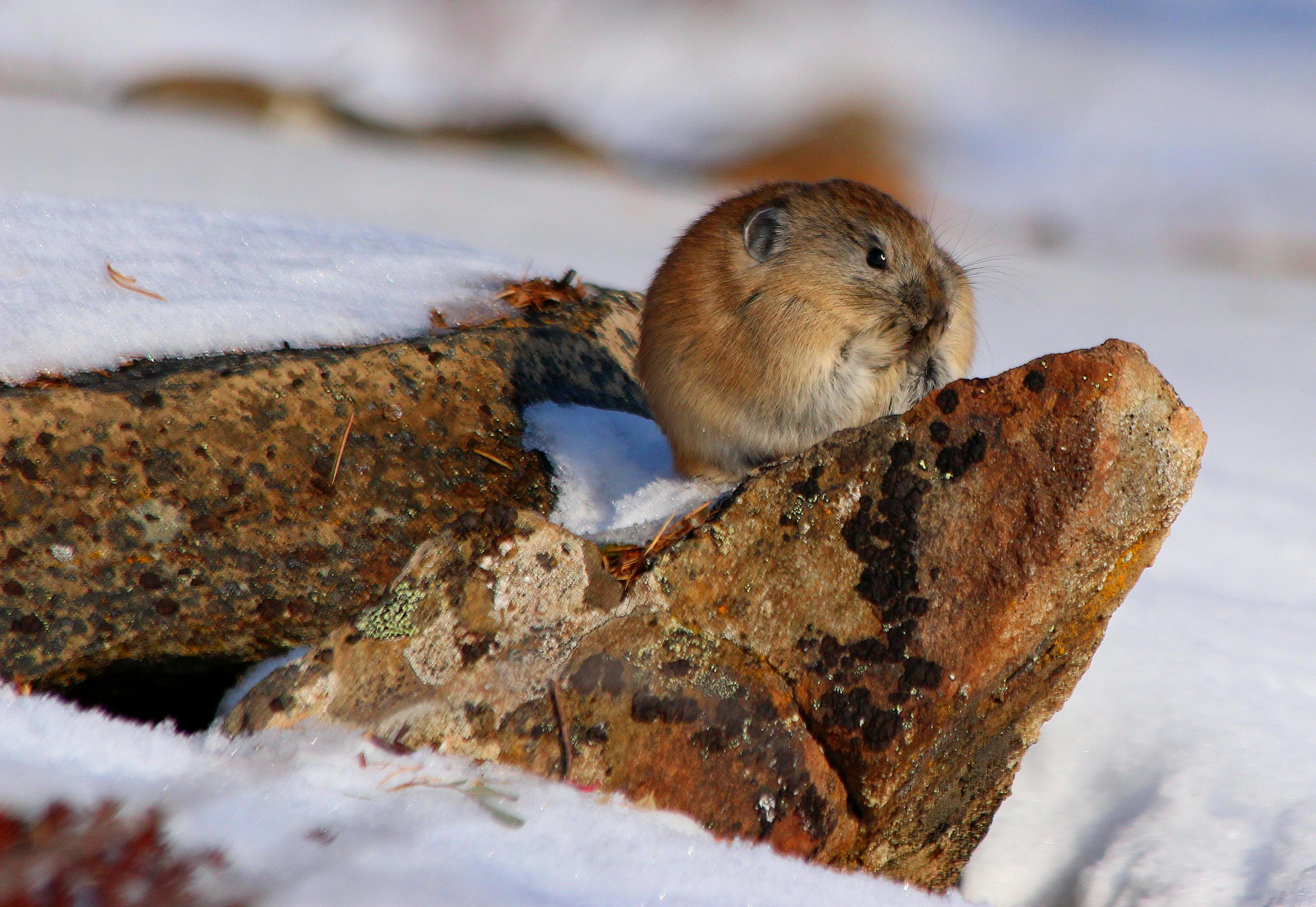
Pikas are small mammals that have a round face and short, rounded ears. They are typically around 6-8 inches in length, with a tail that is usually 1-2 inches long. Their fur is usually a grayish color, but can vary from white to brown or even black. The underside of their bodies is usually white or cream colored.
Pikas have short, stout legs and long claws for digging burrows. They have large eyes and large feet with small toes that help them to grip surfaces when they climb. They also have thick fur on their feet to protect them from the cold temperatures in their habitats.
Pikas have strong hind legs that they use for jumping up to 3 feet in the air when startled by predators or other animals. They also have very long whiskers which help them sense danger around them.
Despite their small size, pikas can be quite vocal animals, producing sounds such as chirps, whistles and clicks when communicating with one another. Additionally, pikas can produce squeaks and whistles when they are threatened or scared by an intruder in their habitat.
Overall, pikas are unique looking mammals with round faces and short ears. Their fur is typically grayish in color and they have white bellies and strong hind legs for jumping high distances when startled by predators or other animals. Furthermore, they are quite vocal creatures that produce various sounds such as chirps, whistles and clicks when communicating with one another.
Behavioural Traits of Pika Animal
Pikas are small mammals closely related to rabbits and hares. They are well-known for their loud vocalizations and for their habit of gathering and storing food for winter. The behaviour of pikas is largely influenced by the environment in which they live. Pikas inhabit a variety of habitats, including rocky slopes, mountain meadows, and alpine tundra. As a result, they have adapted to different types of behaviour that help them survive in each habitat.
Pikas are active during the day and rest in underground burrows at night. They are also highly territorial, defending their territories against intruders with loud vocalizations and aggressive displays. In addition, they mark their territories with scent glands located on their feet. This helps to deter potential predators and keeps other pikas away from their food stores.
Pikas also display complex social behaviours, including cooperative breeding and a form of altruistic behaviour known as “huddling”. During huddling, two or more pikas will stay close together to keep warm in cold weather or to protect themselves from predators. In cooperative breeding, several adults will help raise the young of other family members as if they were their own.
Pikas are also known for their ability to store food for the winter months when food is scarce. They collect grasses, roots, bark, flowers, and other plant material throughout the summer and store it in underground caches or “haypiles” for later use. This behaviour is known as “haying” and is an important part of a pika’s survival strategy in harsh environments where food may be scarce during certain times of year.
In summary, pikas use a variety of behavioural strategies that enable them to survive in a wide range of habitats. These behaviours include territoriality, huddling, cooperative breeding, haying, and scent marking with the feet glands. All these behaviours help them protect themselves from predators and ensure access to food when needed most during the cold winter months when food is scarce.
Reproduction of Pika Animal
Pikas are small mammals that are found in the mountainous regions of the Northern Hemisphere. They are well adapted to cold climates and can reproduce quickly, making them a successful species. The reproductive cycle of pikas is similar to other small mammals. They breed throughout the year and can produce several litters in one year.
The breeding season for pikas is usually from April to August and females can have up to four litters during this period. Females typically give birth to a litter of two to four young, with an average litter size of three. The young are born fully furred and eyes open, which enables them to begin foraging shortly after birth.
The gestation period for pikas is approximately 30 days, after which the female will give birth in a sheltered area such as a burrow or nest. After giving birth, the mother will nurse her young until they are able to feed on their own when they reach around five weeks old. The young remain with their mother until they reach sexual maturity at around 10 months old, when they disperse and look for their own territory.
Overall, pikas have an efficient reproductive cycle that allows them to take advantage of the short growing season in cold climates and ensures their survival as a species.
Habitat Loss and Fragmentation
Pikas are small, alpine-dwelling mammals that inhabit rocky, subalpine regions of the western United States. Unfortunately, these areas are also becoming increasingly fragmented as development for residential, recreational and commercial use spreads across the landscape. When their habitat is fragmented, pikas have difficulty accessing food and shelter resources. Additionally, when their habitat is broken up by roads or other man-made structures, pikas are unable to move freely between populations. This can lead to decreased genetic diversity among pika populations and make them more vulnerable to environmental changes or disease outbreaks.
Climate Change
Climate change is also having a major impact on pika populations in the western US. As temperatures continue to rise, pikas are being forced out of their traditional habitats in search of cooler climates. Unfortunately, many of these habitats no longer exist due to human development and fragmentation of their natural habitats. Without access to suitable habitat farther upslope, pikas may be unable to escape the heat and could suffer serious health risks as a result.
Invasive Species
Invasive species can also have a detrimental effect on pika populations. Nonnative predators such as coyotes, foxes and cats can prey on young or weak individuals in a population and reduce its overall numbers. Additionally, nonnative plants can outcompete native vegetation for resources such as sunlight or water, leading to an overall decrease in plant biodiversity which can reduce food resources available for pikas. Finally, invasive species such as rats can directly compete with pikas for food sources or even prey upon them directly.
Overall, there are numerous threats facing pika populations in the western US due to human activities such as habitat loss and fragmentation as well as climate change and invasive species introductions. It is vital that we take steps to protect these important alpine species by creating conservation plans that protect their habitats from further destruction while restoring existing ecosystems so they may thrive once again.
Conclusion
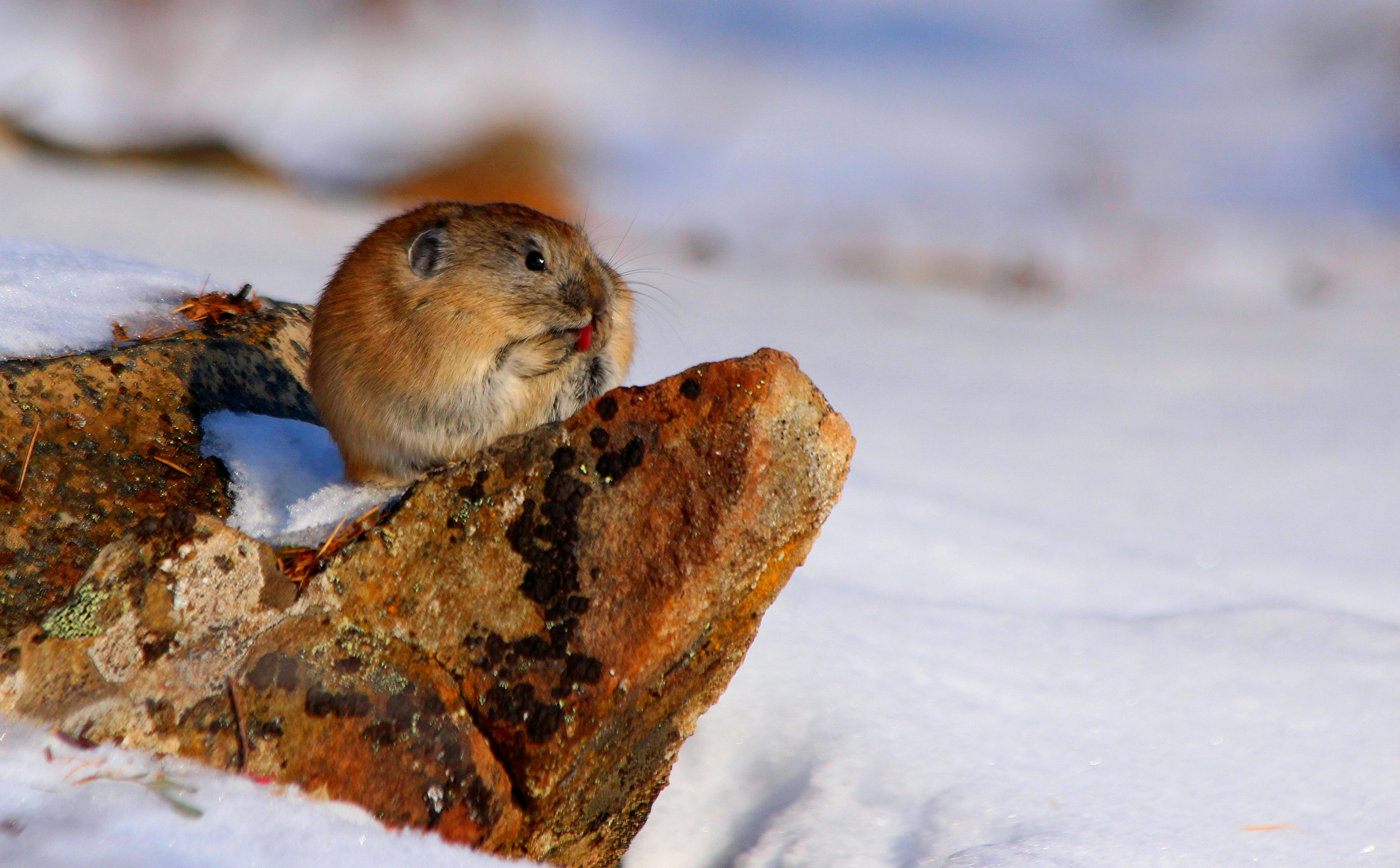
The pika is a small, cute, and incredibly hardy animal that is native to the mountains of Asia. It is a member of the lagomorph family, which includes rabbits and hares. Pikas have thick fur that helps them to survive the cold temperatures in their mountain habitats. They are herbivores and feed on vegetation such as grasses, flowers, and shrubs. They are also known for their ability to produce loud calls that can be heard over long distances.
Pikas are an important part of their mountain ecosystems, helping to spread seeds and improve soil quality through their burrowing activities. They are also a popular subject of research studies due to their remarkable adaptations to high altitude life. Despite their small size, pikas face many threats from habitat loss, climate change, and predation from larger animals like foxes and birds of prey.
Overall, pikas are an amazing species with unique adaptations that enable them to thrive in some of the world’s harshest environments. They are an important part of mountain ecosystems and deserve our protection for future generations to enjoy.
We can help protect pikas by supporting conservation efforts in their habitats and by advocating for sustainable land use practices in areas where they live. By increasing our understanding of these amazing creatures, we can ensure their continued presence in our mountains for years to come.
0 Comments