What is Pied Ball Python Animal
In this article
The Pied Ball Python is a type of snake that is native to parts of Africa. It is a popular pet among reptile enthusiasts and is often referred to as the “King of the Pythons.” This species of python is known for its unique color pattern, which includes patches of yellow, white, black, and orange. It can reach up to 5 ft in length and has a lifespan of up to 20 years. The Pied Ball Python is an active species with strong feeding habits and a docile temperament, making it an ideal choice for beginners and experienced reptile keepers alike.A Pied Ball Python is a morph of the Ball Python, a species of python native to western and central Africa. The Pied morph is characterized by a white and yellow pattern on its body, with yellow spots scattered across the back. It is one of the most popular morphs available in the pet trade due to its striking pattern and relatively small size.
Physical Description
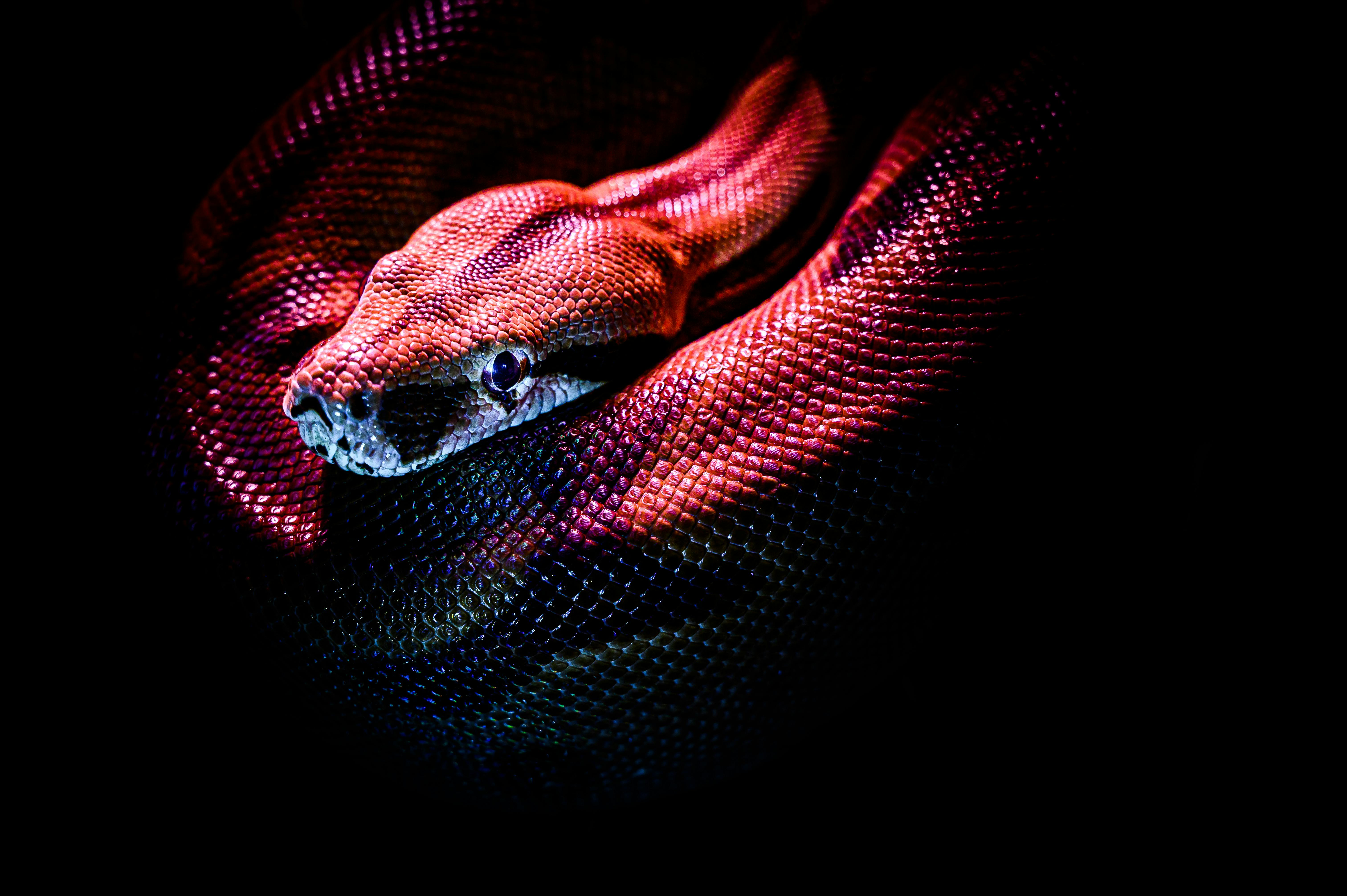
The Pied Ball Python is a medium-sized snake that typically grows to between 3 and 5 feet in length. Its body is usually a light yellow or white color with large, dark brown or black patches. Its head is usually darker than its body, with a dark stripe running down the length of its back. It has small eyes, and its scales are smooth to the touch. It also has a heat-sensing “pit” located between its nostrils and eyes, which helps it to detect prey in the dark.
Behavior
Pied Ball Pythons are generally docile snakes that prefer to hide rather than attack when they feel threatened. They are nocturnal creatures, which means they are most active during the night time hours. During the day they tend to hide in their burrows or other hiding spots. They can also be quite shy at times; however, if handled regularly and correctly as pets, they can become more comfortable around people and can even develop strong bonds with their owners.
Habitat
Pied Ball Pythons are native to parts of western Africa such as Ghana, Togo, Benin and Nigeria. In the wild they inhabit tropical forests and savannas where there is plenty of vegetation for them to hide in during the day. They prefer areas with sandy soil that allows them to easily dig burrows for shelter from predators or extreme weather conditions.
Diet
In the wild Pied Ball Pythons mostly feed on small mammals such as mice and rats as well as birds and lizards. As pets they will often eat pre-killed mice or rats that have been thawed out from frozen food sources available at pet stores or online retailers. They have an impressive digestive system which allows them to digest large meals at once so it’s important not to overfeed them as this can lead to health problems down the line.
Where Does the Pied Ball Python Come From?
The Pied Ball python (Python regius) is natively found in Central and Western Africa, primarily in countries such as Benin, Togo, Nigeria, Cameroon and Ghana. They inhabit a variety of habitats from rain forests to semi-deserts and grasslands. In the wild, these snakes can reach lengths of up to five feet. Pied Ball Pythons are popular in the pet trade due to their attractive coloration, which can range from creamy yellows to deep blacks with white patches. They are also known for their docile nature and relatively small size compared to other species of python.
Pied Ball Pythons have become increasingly popular as pets in recent years due to their attractive patterning and ease of care. They are relatively inexpensive compared to other pet snakes and can be easily maintained in captivity with the proper equipment and husbandry practices. These pythons typically live between 10-20 years with proper care, making them a great long-term pet for those looking for a low-maintenance reptile companion.
Pied Ball Pythons make great pets for beginner snake owners due to their docile nature and relatively small size. They generally do not require large or elaborate enclosures, although they do need an enclosure that is at least 36 inches long and 12 inches wide. A temperature gradient between 75-85 degrees Fahrenheit should be maintained within the enclosure with a basking area that reaches 90 degrees Fahrenheit during the day. Proper humidity levels should also be monitored within the enclosure by using a hygrometer or humidity gauge; humidity should be kept around 60-70%. Additionally, it is important to provide hiding spots within the enclosure so that your Pied Ball Python feels secure. With these simple husbandry practices, your Pied Ball Python will thrive in captivity!
1.
The Pied Ball Python is a Popular Pet
The Pied Ball Python (Python regius) is one of the most popular pet snakes in the world. It is native to Africa, and can be found in many tropical and subtropical areas. The Pied Ball Python has a distinctive pattern of black and white markings on its body, which makes it a popular choice for pet keepers. It is also relatively easy to care for, making it an ideal choice for beginners. The Pied Ball Python can grow up to five feet in length and can live up to 20 years with proper care.
2.
Pied Ball Pythons are Nocturnal
Pied Ball Pythons are mainly nocturnal, meaning they prefer to hunt and forage at night when the temperatures are cooler and there is less light. During the day, they will usually hide in a burrow or hide box within their enclosure. This behavior helps them keep cool during hot days and helps protect them from predators.
3.
They Have Specialized Teeth
Pied Ball Pythons have specialized teeth that help them capture their prey. They have curved rear teeth that are used to latch onto prey items such as rodents or frogs, while their front teeth help hold onto their prey until they can swallow it whole. This adaptation allows them to survive in tough conditions where food sources may be scarce.
4.
They Are Oviparous Animals
Pied Ball Pythons are oviparous animals, meaning they lay eggs rather than giving birth to live young. Female Pied Ball Pythons will lay between 4-10 eggs which will then take around two months to hatch depending on the temperature of their environment. It is important that these eggs remain at a consistent temperature throughout incubation for successful hatching.
5.
Interesting Facts About the Pied Ball Python
The Pied Ball Python was first described by French zoologist Charles Lucien Bonaparte in 1832, making it one of the oldest known snake species kept as pets today! Another interesting fact about this species is that they can go several months without eating if needed due to their slow metabolism; however this should only be done under expert supervision as prolonged fasting can lead to health complications.
Feeding Habits of a Pied Ball Python
Pied ball pythons are popular pet snakes that require proper care and nutrition in order to stay healthy. It is important to understand the feeding habits of these snakes in order to provide them with the best diet possible. Pied ball pythons should be fed an appropriate size prey item once every 7-14 days. The size of the prey item should be no larger than the widest part of the snake’s body. This will help prevent the possibility of regurgitation due to overfeeding.
It is important to also vary the types of food being offered. The diet should consist of both mice and rats, as well as other items such as chicks, quail eggs, small rabbits, or fish fillets. Variety is key in providing a balanced diet for these snakes, and it will also help keep them from becoming bored with their food choices.
When feeding a pied ball python, it is important to remember that live prey can present a risk for injury for both the snake and you. To ensure safety, it is best to feed pre-killed prey items that have been appropriately sized for your snake. If you do decide to feed live prey items, always supervise while they are being consumed and never leave them unsupervised with your snake. Additionally, if you plan on feeding your snake frozen/thawed prey items, make sure they are completely thawed before offering them to your snake as frozen food can cause injury when ingested.
Overall, understanding the proper diet and feeding habits of your pied ball python is essential for providing him/her with optimal care and nutrition. Providing a varied diet with appropriately sized food items will help ensure your snake’s health and happiness for many years to come!

Characteristics of a Pied Ball Python
Pied Ball Pythons are one of the most unique and beautiful snakes in the world. They have an eye-catching pattern of light and dark patches, making them easily recognizable. They are easy to care for and make great pets. Here are some of the characteristics of a Pied Ball Python:
Size: Pied Ball Pythons typically range in size from three to five feet in length. They are medium-sized snakes, so they don’t require a lot of space.
Temperament: These snakes are generally docile and non-aggressive. They do not usually bite, but they may be defensive if scared or disturbed. It is important to handle your snake regularly to get it used to being around people.
Coloration: The coloring of a Pied Ball Python is quite unique. They have two distinct color patterns that alternate between light and dark patches along their body and may also have orange or yellow markings. This makes them very eye-catching.
Diet: Pied Ball Pythons feed mainly on small rodents, such as mice or rats. It is important to provide them with a varied diet to ensure they get all the nutrients they need.
Habitat: These snakes prefer warm, humid environments with plenty of places for them to hide and burrow into the substrate. A good enclosure should be at least three times as long as the snake’s body length with plenty of room for hiding spots.
Care: Pied Ball Pythons require regular cleaning and maintenance, including weekly spot cleaning, replacing water dishes regularly, and providing fresh food every few days. They should also be handled carefully since their skin is delicate.
With proper care, these amazing snakes will make great pets for many years!
Behavioural Traits of a Pied Ball Python
Pied ball pythons are a popular species of snake, known for their docile nature and beautiful colouration. These snakes are native to Africa and have become increasingly popular in the pet trade over the years. As with any pet, it is important to understand the behavioural traits of a pied ball python before bringing one home.
Pied ball pythons tend to be quite shy and reclusive, hiding away in their enclosure when they feel threatened or scared. This is not unusual behaviour for a snake and is nothing to be concerned about. However, it is important to note that pied ball pythons will not be as active or interactive as other species such as corn snakes or king snakes. They are much more content to stay hidden away in their enclosure than other types of snakes.
Pied ball pythons also tend to be quite timid when handled, so it is important to proceed slowly and carefully when handling them. It can take some time for these snakes to get used to being handled by humans, so patience is key when working with them. It is also important not to handle them too often; once or twice a week should be enough for them to become accustomed to human interaction without becoming over-stressed or anxious.
In terms of diet, pied ball pythons are relatively easy-going eaters who will happily accept most varieties of frozen mice or rats as part of their diet. It is best to feed them appropriately sized prey items based on the size of their head; smaller prey items should be offered for younger snakes while larger prey items should be offered for older snakes. Additionally, it is important not to offer live prey as this can cause stress and anxiety in the snake and lead to undesirable behaviour such as biting or striking at its handler.
Overall, understanding the behavioural traits of a pied ball python can make all the difference in having a successful pet snake experience. These snakes may require more patience than other species due to their shy nature, but once they become accustomed to being handled they can make excellent pets who enjoy interacting with their owners!
The Lifespan of a Pied Ball Python
Pied ball pythons are a popular pet snake. They are docile, hardy, and relatively easy to care for, making them an ideal choice for many pet owners. But how long do these snakes typically live? The lifespan of a pied ball python can vary significantly depending on its care and the environment it is kept in.
In captivity, pied ball pythons can live anywhere from 10 to 25 years with proper care. A healthy diet and warm temperatures are key to ensuring that these snakes reach their full potential lifespan. They should also be provided with a large enough enclosure to allow them to move freely and explore their environment.
In the wild, however, the lifespan of these snakes is much shorter. Due to natural predators and environmental factors, wild pied ball pythons usually only live for about 5-7 years on average. This is why it is important to provide captive-bred snakes with proper care in order to ensure they have the longest life possible.
Overall, the lifespan of a pied ball python can vary greatly from individual to individual depending on its care and environment. With proper husbandry and nutrition, these snakes can live for up to 25 years in captivity while those living in the wild typically only have an average life expectancy of 5-7 years.
Conclusion
The Pied Ball Python is a stunning and unique snake that has become popular in the pet world. It has a distinct pattern of patches on its body, and it can be found in various colors. While the original wild-type is known for its light grey coloring, many breeders have developed color morphs with bright oranges, yellows, and blues. As with any pet, it is important to research their care needs before bringing one home. They need proper temperature, humidity, and supplementation to stay healthy. Proper handling is also important to ensure a comfortable bond between owner and snake. With the right care, these snakes can be long-lived and make wonderful companions.
Pied Ball Pythons are an excellent choice for those who want a visually stunning snake that doesn’t require much space or attention. They are perfect for both beginner and experienced owners alike. If you are looking for an exotic pet that will bring joy to your life for many years to come, then the Pied Ball Python might be the perfect choice for you!
About