
Perch is a fish species belonging to the family Percidae. It can be found in fresh and brackish waters, mostly in ponds, lakes, rivers and streams. The most common species of perch are the European perch (Perca fluviatilis) and the Yellow perch (Perca flavescens). Perch are usually small to medium-sized fish with an average length of 10-15 inches. Most perch have two dorsal fins, though some may have only one. They also have a long, slender body with a pointed head and a forked tail. Perch can be distinguished by their characteristic yellow-brown coloration with dark vertical stripes along their sides.A Perch Fish is a type of freshwater fish that belongs to the family Percidae. It has a spiny dorsal fin, two pectoral fins, and pelvic fins that are located near the vent. Its body is typically yellow or greenish in color and its length can range from 6 inches to up to 16 inches. It is found in lakes, ponds, streams, and rivers all over the world. Perch are popular game fish due to their aggressive nature and fighting ability when hooked.
Contents
Types of Perch Fish
Perch is a popular variety of fish found in freshwater habitats. There are several types of perch, including yellow perch, white perch, striped bass, and rock bass. Each species has its own unique characteristics and behavior.
Yellow perch is the most common type of perch found in North America. It is an olive green color and can grow up to 10 inches long. Yellow perch prefer colder temperatures and can be found in deep lakes and rivers. They feed on insect larvae, small fish, crustaceans, worms, and aquatic vegetation.
White perch are smaller than yellow perch and have a silvery white coloration. They are usually found in brackish waters near the shoreline or in shallow lakes or ponds. White perch feed mostly on small baitfish such as minnows and shad.
Striped bass is another type of perch that is native to the Atlantic Coast of North America. It has a dark green back with silver sides and can grow up to 50 inches long! Striped bass feed mainly on small baitfish such as menhaden or anchovies but will also eat other fish such as flounder or mackerel.
Rock bass are another type of freshwater fish that resemble yellow perches but are smaller with a bronze body coloration. Rock bass live mainly in streams and rivers but can also be found in some lakes. They feed mostly on insects, crustaceans, worms, small fish, and aquatic vegetation.
No matter which type you choose to catch for dinner, all types of perch will provide a delicious meal that is sure to please any seafood lover!
Physical Characteristics of Perch Fish
Perch fish are some of the most common and recognizable fish in the world. They have long, slender bodies with tapered heads, pointed snouts and large eyes. Their fins are usually long and thin, and they have two dorsal fins on their back. The color of the perch fish varies from species to species, but they are typically green-brown or yellow-green on their backs with lighter shades on the underside. They can also have dark spots or bars on their sides.
Perch fish can range in size from a few inches to over a foot in length, depending on the species. The average weight of a perch is between one to four pounds. Their scales are small and smooth, and they also have an underdeveloped lateral line system which helps them sense movement in the water around them.
Perch fish typically live in freshwater habitats such as rivers, lakes, and ponds. They prefer slow-moving water with plenty of hiding places such as logs, rocks or weeds to hide in when they feel threatened by predators. Because they are schooling fish, they often travel in large groups or “shoals” which can be seen swimming near the surface of the water.
Overall, perch fish are some of the most recognizable freshwater fish due to their distinct appearance and behavior. With their bright colors and small size, they make for an interesting addition to any aquarium or pond habitat!
Habitat of Perch Fish
Perch fish are widely found in freshwater lakes, rivers, ponds and streams. They prefer slow-moving waters with plenty of vegetation and areas with aquatic weeds and rocky bottoms. During the spring spawning season, perch often gather near shallow shorelines and weed beds. Perch is a schooling fish that typically swim in large schools near the bottom of the water body. They require well-oxygenated water to survive, especially during colder months when oxygen levels are lower in nature.
Distribution of Perch Fish
Perch fish are native to Europe and Asia but have been introduced to other parts of the world including North America, Australia, New Zealand and South Africa. In North America they are found in many freshwater bodies throughout the United States as well as Canada and Alaska. In Europe they can be found in many countries such as Finland, Sweden, Denmark, Norway, Germany, Poland and Romania. In Asia they can be found in Russia, China, India and Japan among other nations.
Diet and Feeding Habits of Perch Fish
Perch are a species of freshwater fish commonly found in rivers, streams, lakes and ponds. They are an omnivorous species that feed on a variety of food items, including insects, small fish, molluscs, crustaceans and plant material. In the wild, they can be found eating a wide range of food items in different habitats.
In captivity, perch should be fed a diet that is balanced and varied. A good quality commercial pellet or flake food can provide the essential nutrients for their diet. In addition to this, they can also benefit from small portions of live or frozen foods such as blood worms, brine shrimp, tubifex worms and daphnia. It is important to remember to only feed them what they can consume in five minutes as any uneaten food can quickly pollute the tank water.
Perch should be fed twice a day with only enough food that they can consume within five minutes. If you find that your perch are not eating their pellets or flakes then you may need to provide them with some live or frozen foods as an occasional treat. It is important not to overfeed your perch as this could lead to health problems such as bloating or constipation which could prove fatal if left untreated.
Reproduction and Life Cycle of Perch Fish
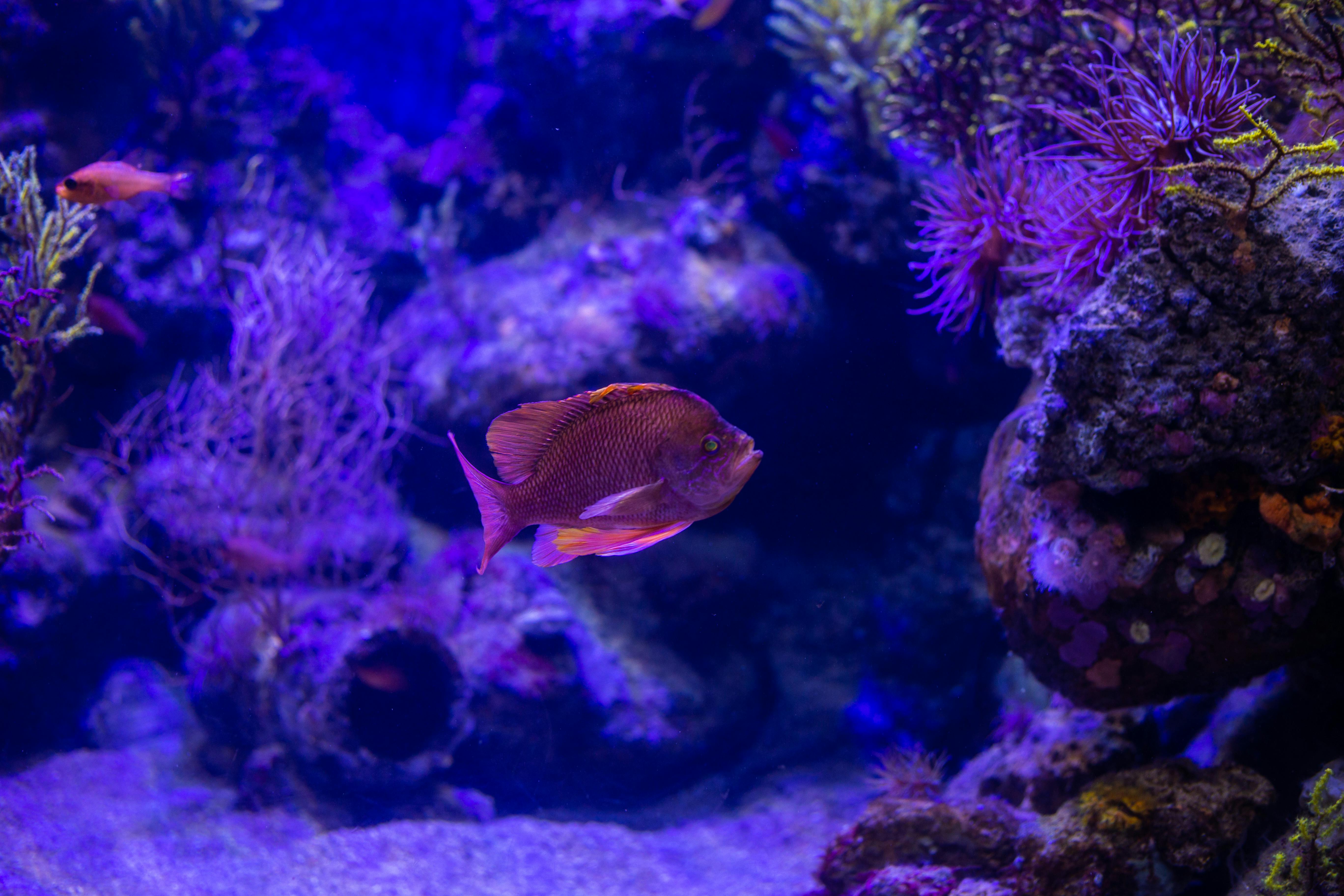
Perch fish are a family of marine and freshwater species that belong to the order Perciformes. They are one of the most popular aquarium fish, and can be found in both tropical and temperate waters around the world. The perch family includes over 200 species, including bass, bluegill, crappie, darters, and sunfish. Perch are known for their aggressive behavior and colorful appearance.
The life cycle of perch begins with spawning. During the springtime, males will build nests in shallow areas of the water where they will deposit their eggs. The eggs hatch into larvae that look like miniature versions of adult fish. As they grow, they develop fins and scales which enable them to move around quickly in search of food.
Perch feed on small insects, worms, crustaceans, mollusks, and other small organisms found in their environment. As they mature they become more active predators, eating larger prey such as small fish or frogs. Adult perch can reach up to 20 inches in length and live up to 15 years in captivity.
The breeding season for perch usually occurs during late spring or early summer when water temperatures reach their peak. During this time males will turn bright colors in an attempt to attract females. After spawning takes place the eggs will hatch within four days and the larvae will begin feeding shortly after hatching.
Once perch reach adulthood they become less active predators but remain territorial towards other members of their own species or other types of fish that enter their territory. They also become solitary creatures that only come together during spawning season when it is time to reproduce again.
At maturity most perch are ready for reproduction by two years old but some species take longer depending on environmental factors such as food availability or temperature fluctuations during winter months which can delay sexual maturity for some species by a year or two longer than normal.
The life cycle of perch provides an important source of food for many aquatic species including humans as well as an important link in the aquatic food chain by providing nutrients to smaller organisms such as plankton which form a key component in any healthy aquatic ecosystem.
Predators of Perch Fish
Perch fish are small and popular fish that live in both fresh and saltwater environments. They are enjoyed as a food source by many species, including humans. However, perch are also vulnerable to predation by several predatory animals. Predators of perch fish can include large birds, other fish species, and even human beings.
Large birds such as ospreys and kingfishers will often eat perch fish when they can find them in the water. These birds have sharp eyesight that allow them to spot their prey from far away, making it easy for them to catch unsuspecting fish. Other aquatic predators include other fish species such as bass, pickerel, muskellunge, and northern pike. These larger predators can easily overpower the small perch and consume them as a food source.
Human beings are also a major predator of perch fish. People have been fishing for perch since ancient times, using methods such as nets, hooks, spearing and trapping. Although recreational fishing is now regulated in many areas to protect populations of perch for future generations, commercial fishermen still catch large quantities every year for human consumption.
In addition to these natural predators of perch fish, there are also other threats to their population. Human activities such as pollution and overfishing can reduce populations of this species significantly if they are not managed properly. It is important that people follow regulations when fishing for perch so that the population remains healthy for future generations to enjoy.
Commercial Fishing for Perch Fish
Commercial fishing for perch fish is an important industry in many parts of the world. It involves catching large amounts of perch fish from their natural habitats and bringing them to market for sale. Commercial fishermen use a variety of techniques to catch these fish, including gillnets, trawls, traps, and purse seines. The size and quality of the perch catch will depend on the type of gear used and the skill of the fisherman. Some fishermen will even use specialized boats and equipment to increase their chances of success.
Recreational Fishing for Perch Fish
Recreational fishing for perch is a popular pastime in many areas. It can be done from shore, on a boat, or while wading in shallow waters. Anglers use a variety of bait and lures to target these fish, including worms, minnows, crankbaits, spoons, jigs, spinners, and more. Many different types of rigs can be used as well as different methods for casting or trolling. The size and quality of the catch will depend on the skill level of the angler as well as the type of equipment used.
Conclusion
Both commercial and recreational fishing for perch have their own set of benefits and drawbacks. Commercial fishermen are able to bring large amounts of fish to market quickly but may have difficulty targeting specific sizes or types of fish due to their gear limitations. Recreational anglers may not be able to bring home a large haul but can target specific sizes or types with more success due to their skill level or type of equipment used. Ultimately it comes down to preference when deciding which type of fishing is best suited for you!
Conclusion
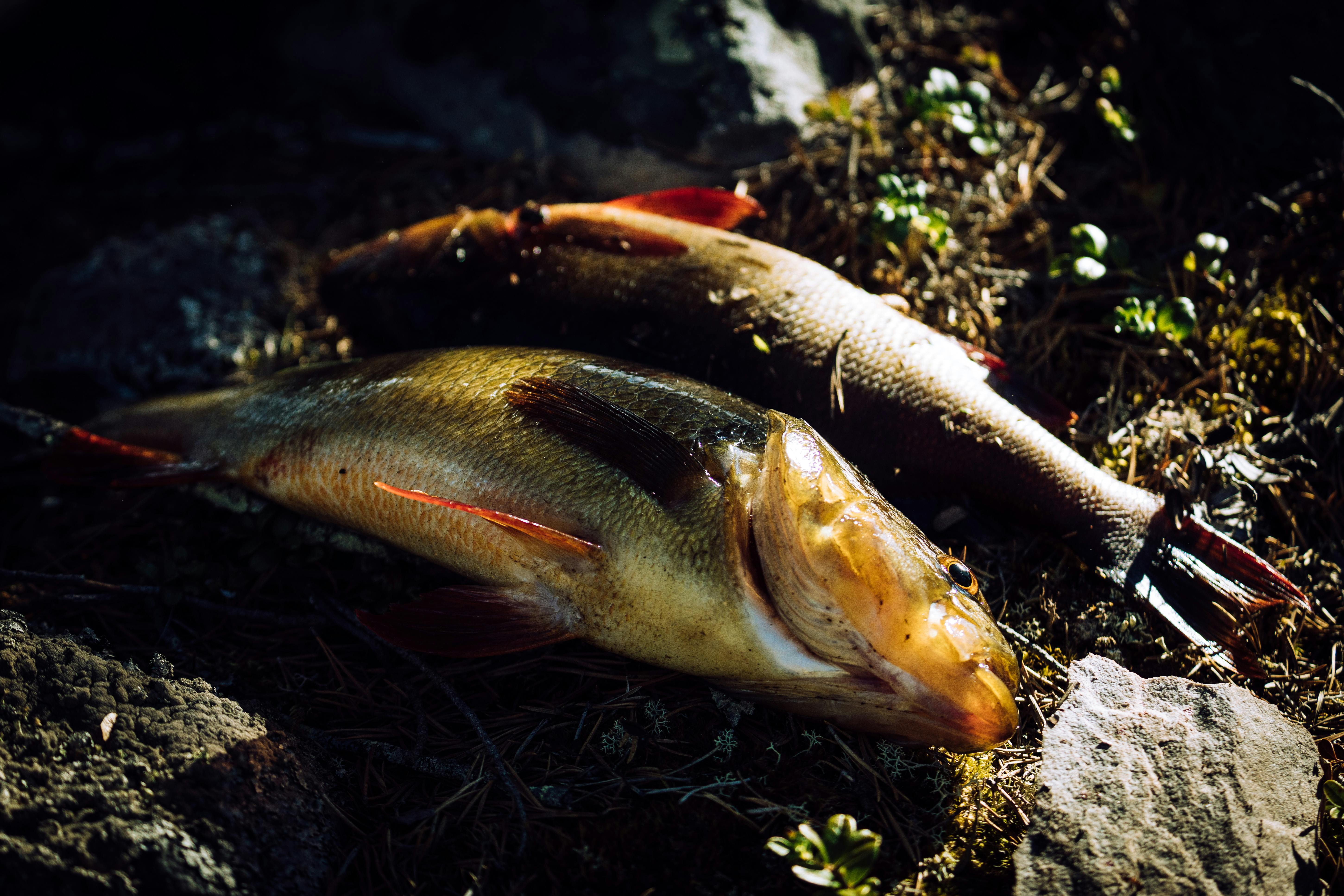
Perch is a freshwater species of fish that is found in many parts of the world. It has a distinctive flavor and is popular in many cuisines. The perch can be cooked in a variety of ways, including fried, grilled, broiled and baked. It can also be eaten raw or as part of sushi dishes. When it comes to nutrition, perch is high in protein and contains some essential vitamins and minerals.
Perch fishing can be an enjoyable activity for anglers of all levels, from novice to experienced. The fish are easy to catch and make good eating when cooked properly. To sum up, perch are a delicious fish that are relatively easy to catch. They provide an excellent source of nutrients and make for a great meal for any occasion.
Whether you’re an angler looking for your next big catch or a home cook trying something new, consider adding perch to your menu. With its mild flavor and versatile preparation methods, this nutritious fish could become your new favorite meal!
0 Comments