What is Ox Animal
In this article
Oxen (plural of ox) are a type of large working animal, typically domesticated and used as draft animals in agriculture and transportation. They are strong and hardy animals, most commonly used for plowing fields and pulling loads. Oxen were first domesticated thousands of years ago in Asia, Africa, and Europe. Today, they are used in many parts of the world, including the United States.An ox is a large bovine animal trained as a draft animal, commonly used to plow fields and pull carts or wagons. Oxen are typically male cattle that have been castrated, and they are often used in pairs to work together.
Appearance
An ox is a large, strong bovine that has been domesticated for thousands of years. They are typically dark brown or black in color and have a thick, muscular neck and large horns. Oxen typically weigh between 1,000 and 2,000 pounds, depending on the breed. Their fur is usually short and coarse, but some breeds have longer coats.
Behavior
Oxen are generally docile animals that can be trained to pull carts and plows. They are very social creatures who like to herd together in groups of two or more. Oxen can be quite stubborn at times, but they respond well to positive reinforcement and patience. Oxen are also very intelligent animals who can learn commands quickly and remember them for long periods of time.
Diet
Oxen feed mainly on grasses, hay, and grains such as oats and barley. They also enjoy fruits such as apples or pumpkins as treats. Oxen need plenty of fresh water each day to stay healthy and may require supplemental minerals in their diet if they live in areas with soil that lacks certain nutrients.
Uses
Oxen are still used today for a variety of purposes including plowing fields, pulling carts, carrying heavy loads, and even competing in races or other competitions. Additionally, some cultures use oxen for religious ceremonies or rituals involving sacrifice or offerings to the gods.
Types of Oxen
Oxen are animals that are used as draft animals, primarily for pulling carts, plows, and other equipment. They are typically found in agricultural settings such as farms and ranches. There are different types of oxen that can be used for various tasks. The most common types of oxen include:
Brahman: Brahman oxen are an Indian breed of cattle and they have a distinct hump on their shoulders and necks. They also have large ears and a light-colored coat which makes them ideal for hot climates. Brahman oxen are strong animals that are able to work for long periods of time in the heat without tiring easily.
Shorthorn: Shorthorn oxen are a British breed of cattle that have short horns and a red or white coat. These animals are known for their intelligence and ability to learn quickly. They also have strong legs which makes them great at pulling heavy loads.
Galloway: Galloway oxen originate from Scotland and they have a black or blue-gray coat with white markings on their face, legs, and underbelly. These animals have strong muscles making them well-suited for pulling heavy loads over long distances.
Highland: Highland oxen originate from Scotland as well and they have thick coats that range in color from black to gray to white with darker markings near their eyes, nose, muzzle, and hooves. These animals often have horns that can reach up to three feet in length making them great at defending themselves from predators if needed. Their thick coats also make them well suited for cold climates since they can stay warm despite the icy temperatures.
These are just some of the most common types of oxen found around the world today. Each breed has its own unique characteristics which makes it ideal for certain tasks or environments over others. Regardless of the breed, all oxen share one common trait—their strength!
Physical Characteristics of an Ox
Oxen are a bovine species of large livestock. They are typically used in agriculture and farming for tasks such as plowing, hauling, and carrying heavy loads. Oxen are known for their impressive physical characteristics, which make them well-suited for their work.
Oxen typically have a large, muscular body with a wide chest and strong legs. Their neck is thick and their tail is long and bushy. They have short horns that are pointed forward, although some breeds may have longer or curved horns. Their skin is usually dark brown or black in color and their fur can range from short to long depending on the breed.
The average ox stands about four feet tall at the shoulder and can weigh up to 2,000 pounds depending on the breed. Most oxen live 10-15 years, although some breeds may live longer. In terms of temperament, oxen tend to be docile animals that can be easily trained with patience and consistency.
Overall, oxen are known for their impressive physical size and strength as well as their calm demeanor. These characteristics make them excellent working animals in agricultural settings where they can perform a variety of tasks with strength and efficiency.
Where Can Oxen be Found?
Oxen can be found in many parts of the world. They are most commonly found in Asia, Europe, Africa, and South America. They are often used to pull carts, plows, and other heavy agricultural equipment. In some countries, they are also used as a form of transportation.
Oxen have been used by humans for thousands of years and they remain an important part of many cultures today. In some countries, oxen are seen as a symbol of strength and power. They are even featured in some religious ceremonies.
Oxen can be found in a variety of environments including mountains, deserts, plains, forests and even cities. They can survive in temperatures ranging from -40 degrees Celsius to +45 degrees Celsius. Oxen can also walk long distances without tiring or needing rest.
Oxen have been bred for thousands of years to have certain characteristics such as size, strength and temperament. Different breeds of oxen have been developed for different purposes such as plowing or pulling heavy loads or for racing competitions.
Today, oxen are still widely used throughout the world for agricultural purposes as well as for transportation for goods and people in some areas where motorized vehicles are not available or not practical due to terrain difficulties or economic constraints.
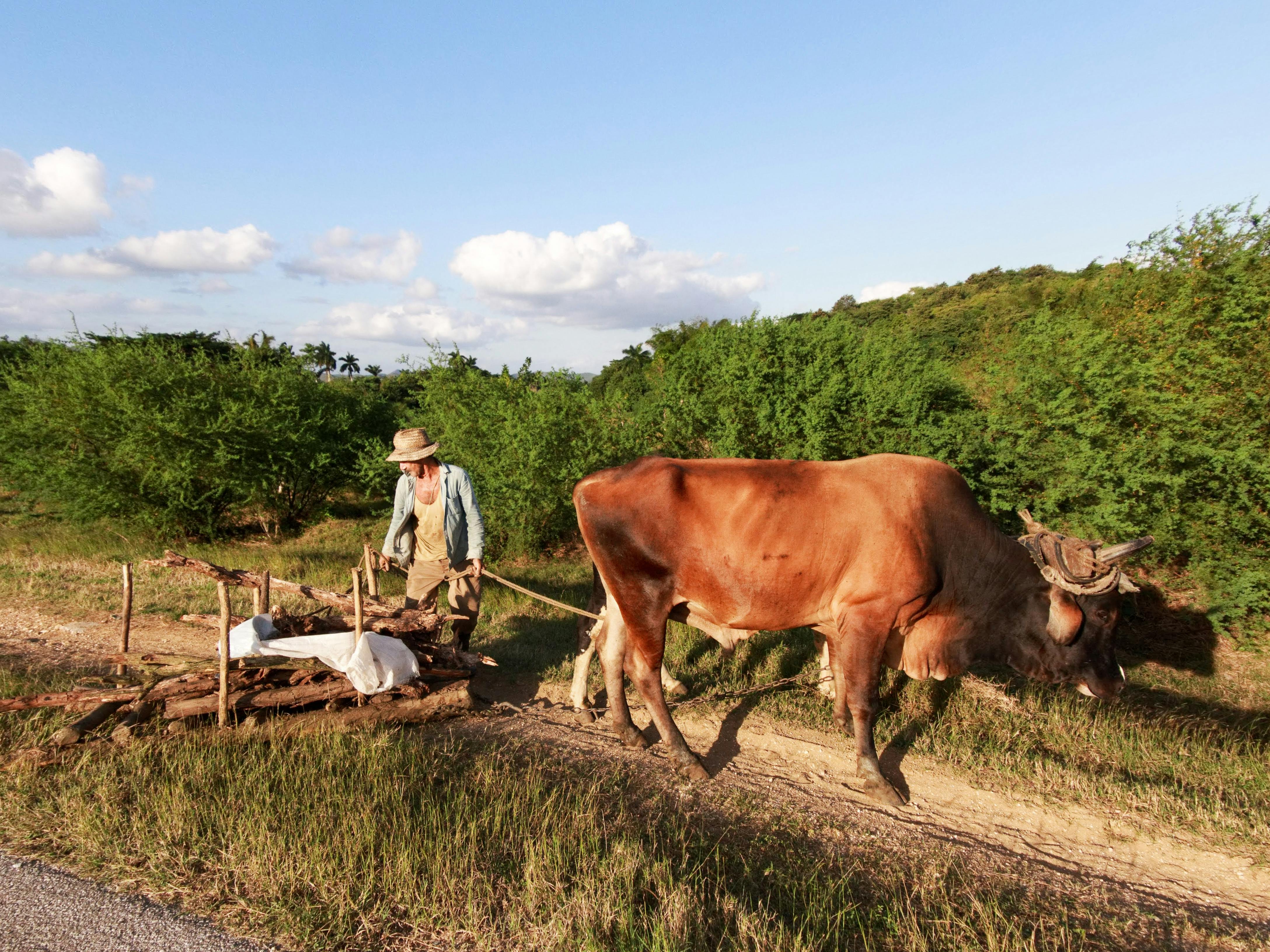
The Diet of an Ox
An ox is a large, domesticated bovine animal typically used for draft purposes. The diet of an ox usually consists of grass, hay, and other roughage. In some parts of the world, such as India and parts of Africa, oxen are also given grains and legumes to supplement their diet. The amount and type of food consumed by an ox can depend on the breed, age, size, and activity level.
Generally speaking, it’s important for oxen to have access to fresh grass or hay all year round in order to maintain a healthy diet. Oxen are ruminants, which means they have a four-chambered stomach that helps break down plant materials into simpler forms that can be more easily digested.
In addition to grazing on grass and hay, many farmers also offer their oxen a variety of grains or legumes such as oats, barley, corn, soybeans, peas, or beans. This can help provide extra energy and protein for their daily activities. It’s important to make sure that these grain supplements do not exceed 10-15% of the total daily intake for the animal since too much grain can lead to digestive issues.
Oxen may also be offered small amounts of salt or minerals in order to maintain adequate levels in their bodies. Many farmers also add vitamins or minerals to the feed mix in order to ensure proper nutrition. Additionally, some areas may require additional supplementation with minerals like copper or zinc depending on soil deficiencies in the area.
In general, it’s important for farmers who keep oxen as draft animals to ensure that they are getting enough exercise and proper nutrition in order to stay healthy and strong enough for their work tasks. Proper care should be taken when selecting feed and supplements in order to ensure that they meet the needs of the animals while avoiding any potential health risks associated with overfeeding or incorrect supplementation levels.
Behavior of an Ox
Oxen are hardworking animals with a docile temperament that have been used for centuries in agricultural work. They are strong, sturdy, and reliable animals that display a wide variety of behaviors. Oxen have a tendency to become attached to their owners and can be quite affectionate and loyal. They are social animals and enjoy spending time with other oxen or livestock. Oxen are also intelligent and can be trained to respond to commands, although their stubbornness may require patience.
Oxen need regular exercise and mental stimulation in order to stay healthy and happy. Oxen should be allowed plenty of time to roam and explore their environment, as this can help reduce stress levels. They tend to be relatively low-maintenance animals but require regular grooming and hoof trimming in order to stay healthy. Proper nutrition is also essential for oxen, as they must consume enough food in order to provide the necessary energy for work activities.
Oxen also need ample downtime in order to rest and relax after strenuous activities. This is especially important during the hot summer months when oxen can easily become overheated if not given adequate rest periods throughout the day. Regular check-ups with a veterinarian should also be part of an ox’s routine care regimen in order to ensure that any medical problems are caught early on before they become more serious issues.
Overall, oxen are loyal companions with calm dispositions who make excellent working animals when given proper care and attention. With patience and understanding, these gentle giants can make fantastic additions to any farm or homestead!
Reproduction Process for Oxen
The reproductive process of oxen is quite similar to other mammals. Oxen must mate in order to reproduce and the female ox will usually give birth to a single calf. The calf is usually born in the early spring and can stand on its own within a few minutes after birth. Upon birth, the calf will attempt to nurse from its mother and can start grazing within a few hours.
Male oxen reach sexual maturity at about two years of age, while females reach sexual maturity at about one year of age. During mating season, male oxen will compete with each other for dominance in order to mate with the female. The gestation period for an ox is approximately nine months long and during this time the female will gain weight and develop an udder that will be used to feed her young when it is born.
Once the calf is born, it will need to be fed regularly from its mother until it is weaned several months later. At this point, the calf can eat solid food such as grasses, grains, and hay as well as drink water on its own. Once it has reached adulthood, an ox can live up to twenty years or more depending on their overall health.
The reproduction process of oxen plays a vital role in agriculture as they are often used for labor purposes such as plowing fields or pulling carts and wagons. The strength and endurance of these animals makes them useful in many different contexts which is why they have been domesticated since ancient times and remain a popular choice in many parts of the world today.

Conclusion
Oxen are highly valuable animals in many parts of the world. They are used for plowing fields, carrying goods, and providing milk and meat to their owners. They require special care, such as proper feeding, shelter and veterinary services. Oxen can also be trained to pull carts or wagons, making them very useful animals in many situations. In some countries, they are even used for sports and racing.
Overall, oxen are a valuable asset to many farmers who depend on them for their livelihoods. They provide an important source of income and nutrition for people around the world. With proper care and training, oxen can be a reliable and rewarding addition to any farming operation.
In conclusion, oxen have been an important part of human life for centuries. They are strong animals that can help farmers with their work in the fields or provide food for their families. With the right care and attention, these animals can be a great asset to any farm or household.
About