
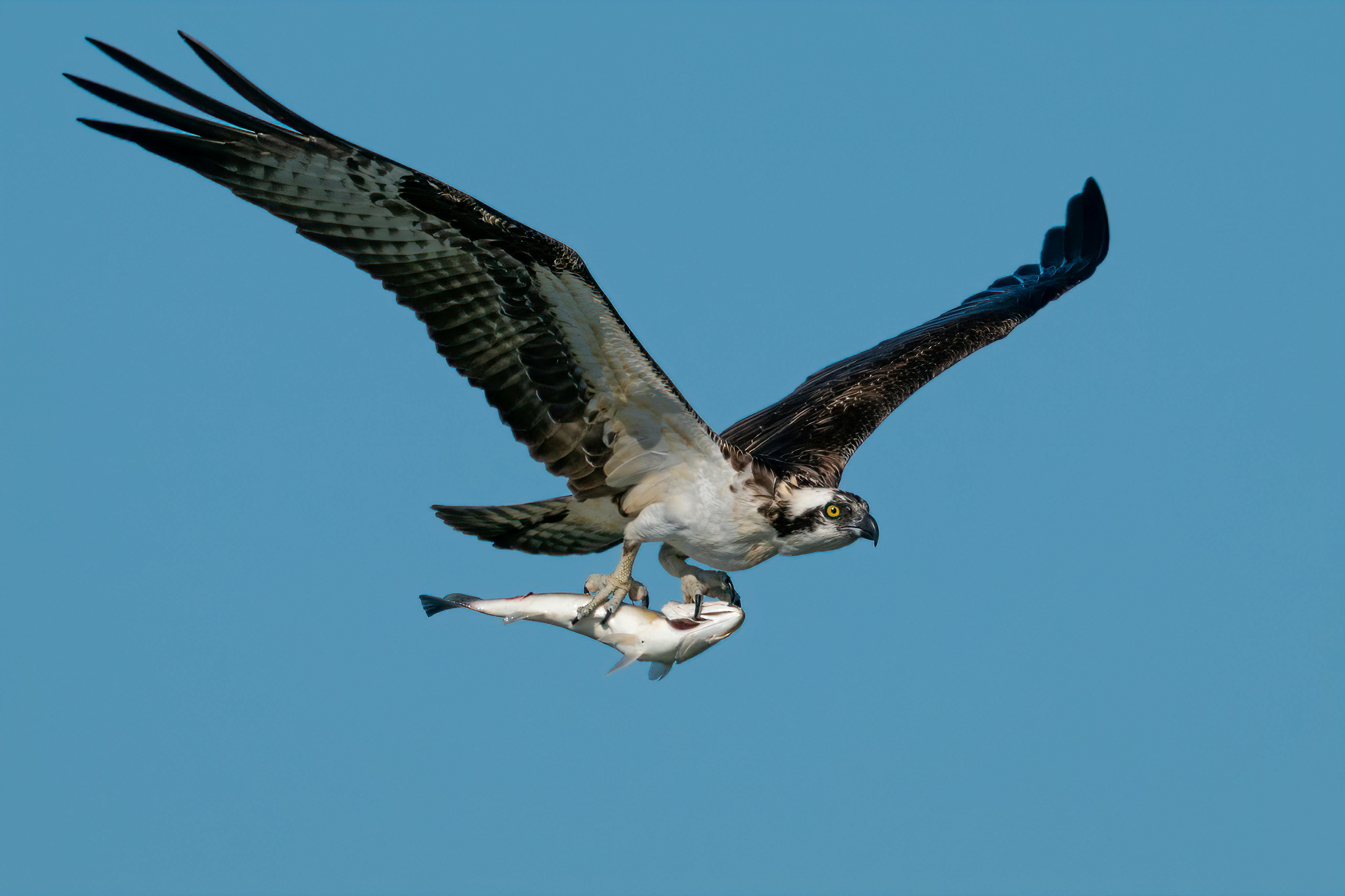
Osprey is a species of fish-eating bird of prey. It is also known as the Sea Hawk, Fish Hawk or Fish Eagle. Ospreys are found on all continents except Antarctica and are most commonly found near bodies of water. They have a wingspan of up to 6 feet and can be easily identified by their distinctive white head, dark brown wings and yellow eyes. Ospreys feed mainly on fish, but they also eat other small animals such as snakes, frogs, lizards and occasionally birds. They hunt by hovering over water and then diving down to catch their prey with their sharp talons. Ospreys build large nests near waterways which they often occupy for life.An Osprey is a large bird of prey with dark brown upperparts, white underparts and a black-streaked head. It has long wings and a hooked bill, and is found near rivers, lakes, estuaries, coasts and other wetlands all around the world. The Osprey feeds mainly on fish but also hunts small mammals and birds.
Contents
Physical Characteristics of the Osprey
The osprey is a large raptor, measuring around 60 cm in length and with a wingspan of around 180 cm. It has a distinctive white head, dark brown back and wings, and bright yellow eyes. Its beak is hooked and yellow in color, while its legs are grey. The tail is long and squared off at the end. The osprey has powerful talons that help it catch its prey. It also has strong flight muscles which allow it to soar high in the air.
The osprey’s feathers are specially adapted for fishing. They have small barbs that help them grab onto slippery fish, as well as being waterproof to reduce drag when flying through water. Its plumage also helps it blend into its environment when hunting from above or perching in trees.
The osprey feeds mainly on fish, which it catches by plunging into water from heights of up to 30 m or more. It has highly developed eyesight which helps it spot prey from great distances. Its diet may also include amphibians, reptiles, small mammals, insects and other birds.
Diet
The Osprey is a raptor that uses its long, sharp talons and curved beak to hunt for fish. It typically hunts in shallow waters, often hovering above the surface and then diving feet-first into the water. It has been known to capture large fish like trout, salmon, pike, and even eels. The Osprey will sometimes supplement its diet with small rodents, lizards, amphibians, and other aquatic creatures. Its diet consists mostly of fish but it can also be opportunistic feeders which means they will take advantage of whatever food is available when they are hungry.
Habits
The Osprey’s nesting season usually occurs between April and August. Its nests are usually built high off the ground in trees or on cliff ledges overlooking rivers or large bodies of water where the bird can easily access its food source. During the nesting season both male and female Ospreys take turns incubating their eggs for up to a month before they hatch. Once hatched young Ospreys stay in their nest for up to two months before fledging as independent birds. After fledging the young birds will remain close to their parents for several weeks until they develop the skills necessary to survive on their own in the wild.
Where Do Ospreys Live?
Ospreys, also known as fish hawks, are large birds of prey that live around the world in temperate and tropical climates. They are most commonly found close to water sources such as lakes, rivers, and coastlines. Ospreys have a diet that consists mainly of fish and they are often seen hunting over bodies of water.
In North America, ospreys can be found in the United States along both coasts and also in some inland states. They also live along the entirety of the Great Lakes region. In Canada, ospreys can be spotted in all provinces except for Prince Edward Island.
In Europe, ospreys can be found from Scandinavia to the Mediterranean Sea and from Britain to Russia. In Asia, they range from India to Japan and from Siberia to Mongolia. In Africa, ospreys can be seen in South Africa as well as parts of East Africa such as Ethiopia, Kenya, Uganda and Tanzania.
Ospreys are also found in parts of Australia and New Zealand. They can often be seen near coastal areas or on islands where they nest in trees or on cliffs near water sources. Ospreys prefer habitats that offer plenty of perches for them to hunt from as well as safe nesting sites near food sources like fish-filled lakes or rivers.
Overall, ospreys have a wide range that spans across much of the globe. These impressive birds of prey can live anywhere there is an abundance of fish-filled water sources for them to hunt from and enough suitable nesting sites nearby for them to raise their young successfully each year.
Reproduction & Lifespan of Ospreys
Ospreys, also known as sea hawks, are large birds of prey found around the world. They are renowned for their impressive diving and fishing abilities and are a favorite among bird-watchers. Ospreys mate for life and are very dedicated to their offspring. The female lays two to three eggs at a time and incubates them for about five weeks. After hatching, the chicks stay with their parents for several months until they can take care of themselves.
The average lifespan of an osprey is about five to seven years in the wild, although some individuals have been known to live up to fifteen years. In captivity, they can live much longer due to better food sources and protection from predators. Ospreys reach maturity between two and four years of age and begin breeding shortly thereafter.
Ospreys have many adaptations that allow them to survive in their environment, such as webbed feet that help with swimming and sharp talons that help them catch fish. They also have special retinas which can see ultraviolet light, allowing them to spot prey more easily in murky waters. Ospreys are highly territorial birds and will fiercely defend their nesting sites from other birds or animals that may try to take over their territory.
Overall, ospreys are resilient animals that are well adapted for life in the wild. They mate for life and lay two to three eggs each year which hatch after about five weeks of incubation. The chicks stay with their parents until they can survive on their own before leaving the nest at about two or four years old. In the wild, ospreys typically live between five and seven years but this can be much higher in captivity due to better food sources and protection from predators.
The Status of the Osprey Population
The osprey population is one of the most well-studied raptor populations in North America. Research has shown that the osprey population in North America has increased steadily since the 1970s when it was nearly wiped out due to the use of DDT. This increase can be attributed largely to conservation efforts and changes in agricultural practices that have improved nesting habitat for ospreys.
Today, the osprey population is estimated to be between 150,000 and 200,000 individuals, spread throughout North America. The species is found almost exclusively along coastlines and large bodies of water such as lakes and reservoirs. In recent years, however, their range has expanded to include inland areas as well.
The osprey population continues to be threatened by a variety of factors including habitat loss due to development, pollution, and climate change. They are also vulnerable to human disturbance, as they nest near humans and can easily become disturbed by loud noises or human activity. Additionally, illegal poaching remains a threat for some populations of ospreys.
Despite these threats, the osprey population is overall considered stable and increasing in numbers. Conservation efforts continue to be important for maintaining healthy populations of this species throughout its range.
Threats to the Osprey Population
Ospreys are vulnerable to a variety of threats, both natural and human-caused. Natural threats include predation, habitat loss and competition from other species. Human-caused threats include habitat destruction, pesticide use, egg collecting and disturbance from human activities such as recreation and development. Pesticide use can be particularly damaging to ospreys because these chemicals can accumulate in their bodies over time and may cause reproductive failure or death. Egg collecting is also a major threat, as it can reduce the number of chicks that successfully hatch each year. In addition, ospreys may be disturbed by humans engaging in activities such as boating or fishing near their nesting sites. This can lead to decreased nesting success due to the birds’ inability to concentrate on raising their young. Finally, habitat destruction caused by deforestation or other land use changes can significantly reduce the availability of suitable nesting sites for ospreys.
Fortunately, conservation efforts are underway to protect ospreys and their habitats around the world. Education programs have been created to raise awareness about the importance of protecting these birds and their habitats. Laws have been enacted in many countries that restrict activities such as egg collecting and pesticide use near nesting sites, which helps protect these birds from harm. In addition, protected areas have been established in several countries that offer safe havens for ospreys and other wildlife species.
Conservation efforts like these will help ensure that osprey populations remain healthy for generations to come. By working together we can help protect these majestic birds before it’s too late.
Protecting Ospreys
Ospreys, also known as sea hawks, are majestic birds of prey that inhabit many parts of the world. Sadly, their populations have been declining due to human activities such as pollution and destruction of their habitats. Fortunately, there are a number of ways we can help protect the ospreys from further decline.
One way to help protect ospreys is by limiting activities that disturb them. This includes reducing noise pollution near their nesting sites and avoiding activities such as hunting or fishing near them. Additionally, we can reduce the amount of plastic waste in our environment that can end up in the water where ospreys live and feed.
We can also help protect osprey populations by creating protected areas for them to live and breed in peace. This could include setting up designated areas for osprey nesting and creating buffer zones around these nesting sites to help keep out potential predators or disturbance from human activity.
Finally, we can help protect osprey populations by monitoring and researching their population numbers and behaviors. This will allow us to better understand how best to conserve their habitats and ensure that they remain stable for years to come. Monitoring will also allow us to detect any changes in population numbers or behavior in order to address any issues quickly before they become too severe.
By following these steps, we can help protect the beautiful osprey species from further decline and ensure that future generations can continue to enjoy these majestic birds of prey for many years to come.
Conclusion
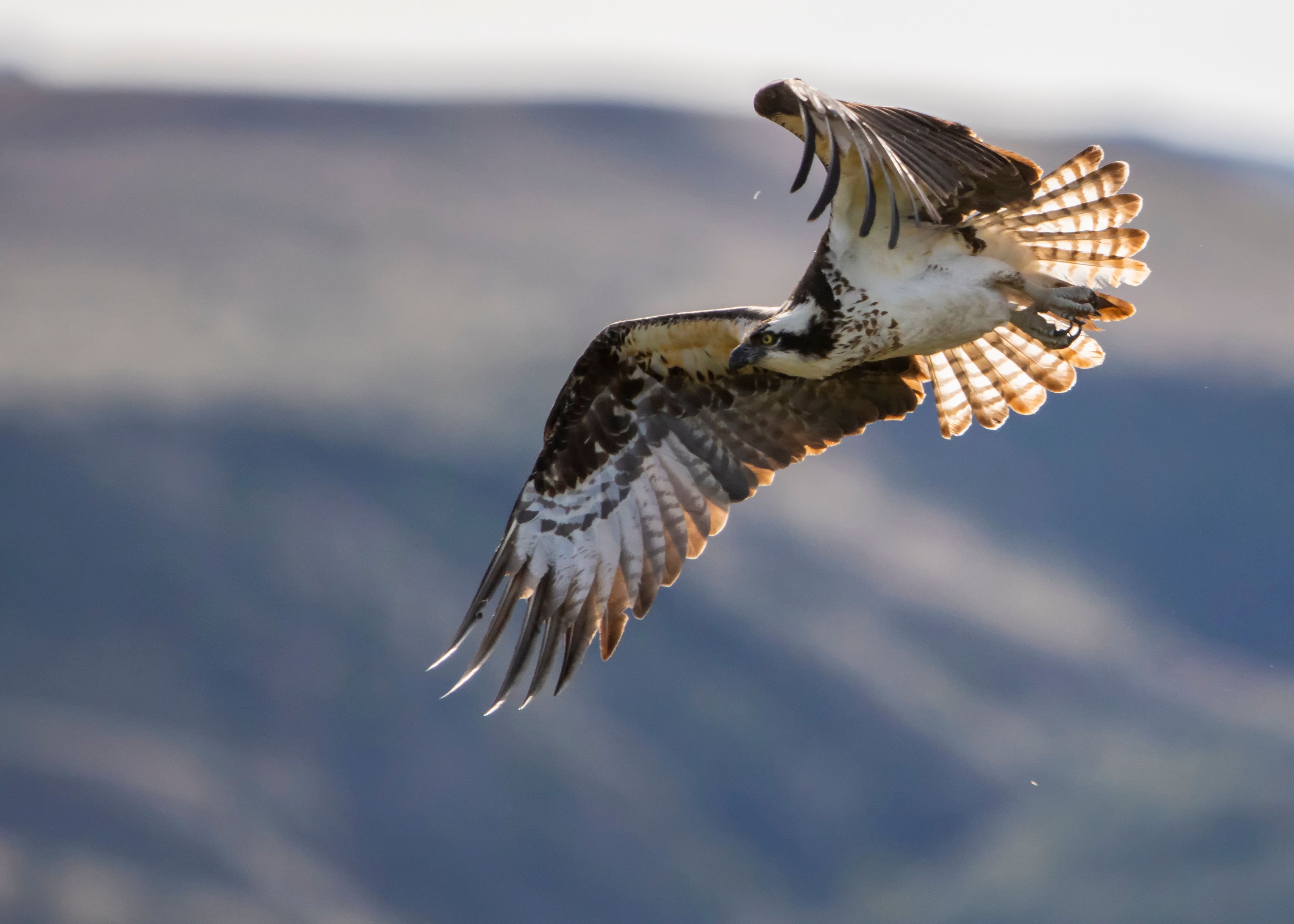
Ospreys are amazing birds of prey, and there is a lot to learn about them. They have many unique adaptations that help them survive in their environment, and they are important predators in the food web. Ospreys are found throughout the world and their populations are increasing due to conservation efforts. As ospreys continue to thrive, we can enjoy watching these majestic birds soar through the sky.
Ospreys play an essential role in maintaining healthy ecosystems, and they provide us with valuable insights into the natural world. We must protect these remarkable creatures if we want them to continue to exist for generations to come.
0 Comments