
Otter is a type of semi-aquatic mammal found inhabiting both saltwater and freshwater habitats around the world. They are known for their playful behavior and are members of the Mustelidae family, which includes weasels, ferrets, minks, and badgers. Otters have long, streamlined bodies with tapered heads and short legs. Most species range between two to three feet in length and can weigh up to 30 pounds. Their fur is typically thick and dense to keep them warm in the cold water they inhabit. They possess webbed feet that help them swim quickly and efficiently through the water.An otter is a semi-aquatic mammal found in all parts of the world. They belong to the Mustelidae family, which also includes weasels, badgers and polecats. Otters have long, slim bodies with short legs and webbed toes, enabling them to move quickly through water. They are well-adapted for swimming, with dense fur that keeps them warm, and a thick tail that acts as a rudder. Otters can be found in both saltwater and freshwater habitats, where they feed on fish, crabs and other aquatic animals.
Contents
Physical Characteristics
Otters are aquatic mammals that have thick fur to keep them warm in the water. They have streamlined bodies and webbed feet, which helps them swim quickly and gracefully. Most otters have short legs and long, slim tails. Otters come in a variety of sizes, ranging from about 2 to 6 feet in length. Some species of otters can weigh up to 100 pounds! Otters have small ears and eyes, which are well adapted for living in the water. Their eyes have a special membrane that protects them from dirt and other debris.
Behavioral Characteristics
Otters are playful animals that love to swim, dive, and explore underwater. They use their whiskers to find food in the dark waters of rivers, lakes, and oceans. Otters usually live in family groups consisting of parents and their cubs. They communicate with each other by making chirping noises or using touch. Otters also mark their territory by spraying scent on rocks or trees near their home area.
Dietary Characteristics
Otters are carnivores, meaning they eat mostly meat-based foods like fish, crabs, clams, mussels, frogs, snails, and insects. Some otter species also eat plants like seaweed and eelgrass for additional nutrition. Otter populations vary depending on the availability of food in their habitat; if there is plenty of food available they will thrive but if food is scarce they may struggle to survive.
Habitat Characteristics
Otters can live both on land and in water depending on the species; some species prefer freshwater environments while others prefer saltwater habitats such as estuaries or coastal areas. In general though most otter species need access to both land and water so they can rest on shore as well as hunt for food underwater. Otter habitats include rivers, lakes, ponds, marshes, estuaries, coastal areas and even mangrove swamps!
Diet and Eating Habits of Otter Animals
Otters are carnivorous mammals that feed on a wide range of animal prey. Depending on the species, they may hunt fish, crabs, shellfish, frogs, lizards, small mammals, birds and even large invertebrates. They are opportunistic feeders and use their strong jaws and long whiskers to locate food in shallow water or wetland habitats. Some species also consume plants and fruits.
Otters typically forage for food during the day or at night when prey is more abundant. They can dive up to 15 feet deep in search of prey and can remain underwater for up to six minutes before surfacing for air. They often use their front paws to snatch food from the water or from nearby rocks or logs. In addition to catching live prey items, they also scavenge dead animals and may eat carrion.
Otters have been observed using tools such as rocks or sticks to open shellfish or nuts for easier consumption. Some species even use large stones as anvils on which to crack open clamshells or other hard-shelled prey items. Otters will usually swallow their food whole if it is small enough; otherwise they may tear off chunks before swallowing them.
In addition to catching live prey items, otters also feed on a variety of plant matter such as roots, shoots and grasses. This helps them supplement their diet with essential vitamins and minerals that they may not get from their animal-based diet. They also rely on freshwater sources such as rivers and lakes to stay hydrated since they do not have the ability to store water in their bodies like some other animals do.
Overall, otters are opportunistic feeders that will consume whatever is available in their environment depending on the season or location. As a result, they have adapted very well to changing environmental conditions by learning how to exploit different food sources in order to survive under varying conditions.
Habitat of Otter Animals
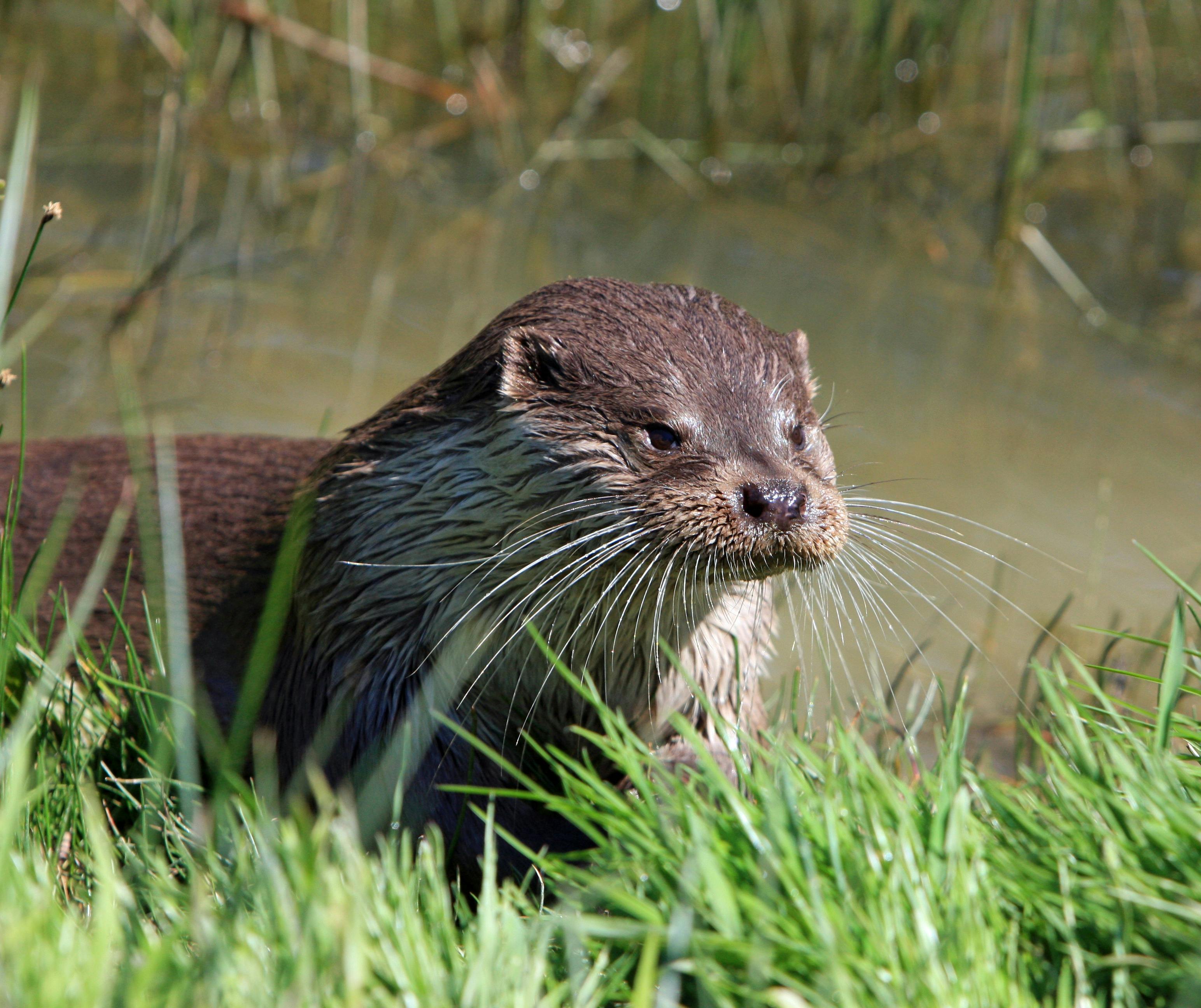
Otter animals are found in many habitats, from freshwater rivers and lakes to coastal areas. They prefer to make their homes in areas with plenty of vegetation, such as reed beds and marshes, as well as along the banks of rivers and streams. In some cases, they will also make their dens in hollow logs or rocks. Otters are found throughout the world, with different species having adapted to different habitats.
Natural Environment
Otters live in a variety of aquatic environments, ranging from slow-moving rivers to fast-flowing streams and even estuaries. They are also found in wetlands and swamps, lakes, ponds, marshes and coastal areas. Due to their preference for aquatic environments, most otter species have webbed feet which help them move more easily through water.
In addition to their webbed feet, otters have several other adaptations that help them live in a wide range of aquatic environments. These adaptations include a streamlined body shape for swimming efficiently through water and a thick layer of fur for insulation against cold temperatures. They also have sensitive whiskers which help them locate food underwater.
Overall, otter animals have adapted well to a variety of natural environments throughout the world. Their habitats range from freshwater rivers and lakes to coastal areas, wetlands and swamps. With their special adaptations such as webbed feet and thick fur coats they are able to thrive in these aquatic ecosystems.
Breeding and Reproductive Behaviour of Otter Animals
Otters are one of the most popular species of aquatic mammals that are found around the world. They have a unique set of behaviors and characteristics that make them fascinating to observe. One of the most interesting aspects of otter behavior is their breeding and reproductive cycle. Otters breed seasonally, usually in spring or summer, depending on the species. The female will give birth to a litter of 2-5 pups, which she will care for until they reach independence at around 6 months old.
Otters form monogamous pairs during the breeding season and remain together until the end of it. The male helps with rearing and protecting the young, while the female stays with them most of the time. During mating, they engage in a courtship ritual where they can be seen holding hands and rubbing noses before copulating in water or on land.
When it comes to reproduction, otters are considered very successful due to their ability to produce large litters in a single season. The gestation period for otters is around 60-70 days, after which they give birth either on land or in dens built near water sources.
Otters are relatively long-lived animals with life spans ranging from 10-20 years depending on the species. They reach sexual maturity between 2-4 years old and usually have 1-2 litters per year once they start breeding.
In conclusion, otter breeding and reproductive behaviour is quite fascinating to observe as it encompasses many different behaviours that help ensure their survival as a species. Their ability to produce large litters in a single season makes them one of the most successful mammal species when it comes to reproduction.
Threats to Otter Animal Populations
Otters are an important species within the animal kingdom. They are the only semi-aquatic mammals in the world and play a vital role in their environment. Unfortunately, otter populations have been declining in recent years due to a variety of threats.
Chief among these threats is habitat destruction and degradation. With increasing human development, natural habitats are being destroyed or altered. This can cause significant disruption to the delicate balance of an area’s ecosystem, making it difficult for otters to find food and shelter. In addition, polluted water sources caused by runoff from agricultural or industrial activities can lead to otters ingesting toxins which can be fatal.
Another major threat to otter populations is poaching for their fur or meat. Otters are hunted for their fur which is used for clothing, accessories and other items. The demand for these products has led to an increase in poaching of otters worldwide, resulting in a decrease of population numbers.
Finally, there is also pressure from invasive species such as American mink which compete with otters for food and resources. This has caused further decline of local population numbers in areas where the mink has been introduced.
In order to protect ottler populations against these threats, it is essential that we take action now to preserve their habitats and reduce pollution levels in waterways and oceans around the world. We must also work towards ending illegal poaching of these animals and regulating invasive species so that they do not cause further damage to local ecosystems.
Conservation Efforts for Otter Animals
Otters have become an endangered species due to the destruction of their habitats and over-harvesting of their resources. As a result, conservation efforts have been put in place to protect these animals. One way this is being done is through the establishment of protected areas, such as national parks and wildlife reserves. These areas provide a safe haven for otters to live and breed, ensuring the species will not become extinct.
In addition to creating protected areas, other conservation efforts include educating the public about otters and their importance in the environment. This can be done through media campaigns, public lectures, school programs, and other forms of outreach. It is also important to create laws that protect otters from hunting or poaching. By doing so, people will be more likely to respect these animals and refrain from illegal activities that could lead to their further decline in population numbers.
Conservation efforts also involve monitoring populations of otters to help assess how well they are doing in terms of reproduction and health. This data can then be used by scientists and policy makers to create better strategies for protecting them in the future. It is also necessary to monitor their habitats and make sure they are healthy enough for them to thrive. Restoration projects may need to be implemented if there is any damage that has been done due to human activity or natural disasters.
Finally, it is important for everyone involved with conservation efforts for otter animals – from government officials to individuals – to work together towards common goals. By collaborating with each other, we can ensure that these animals are given a chance at survival in our ever-changing world.
Adaptations of Otter Animals for Survival
Otter animals are some of the most adaptable creatures on earth, and they have a number of adaptations that help them survive in their environment. One of the most important adaptations is their thick fur, which not only keeps them warm in cold climates but also helps them to stay buoyant when swimming as it traps air bubbles against their body. Additionally, otters have webbed feet which help them move more quickly and with greater agility in the water. They also have an extra layer of fat beneath their skin to keep them warm and insulated from the cold water.
Another adaptation that otter animals possess is their long whiskers, which serve two purposes; firstly, they act as sensory organs to detect prey and other objects in the water, and secondly, they provide protection against predators by helping the animal to feel vibrations in the water. Otters also have powerful claws on both their front and back feet which allow them to grip onto rocks and other objects while swimming, enabling them to avoid predators or capture prey. Additionally, they have an impressive lung capacity which allows them to hold their breath for up to eight minutes while underwater.
Finally, otters are highly social creatures who live in large family groups known as ‘rafts’. This helps keep predators at bay since there are always multiple otters looking out for each other’s safety. Furthermore, these family groups can communicate with each other using a variety of vocalizations such as whistles and barks which help them stay together even when they are separated by large distances.
Overall, otter animals possess a variety of adaptations that enable them to survive in a wide range of environments from rivers and lakes to oceans and coasts. These adaptations include thick fur for insulation and buoyancy, webbed feet for swift swimming motion, long whiskers for sensing prey in murky waters, powerful claws for gripping onto objects underwater, and an impressive lung capacity so they can stay underwater longer than most other animals. Furthermore, being highly social creatures helps protect them from predators by providing extra eyes and ears while living together in large family groups known as ‘rafts’.
Conclusion
Otters are one of the most endearing and adorable animals in the world. They are full of energy and charm, and they can be very playful. They have a wide range of habitats, from rivers and lakes to oceans and coasts. Otters are omnivorous, meaning they eat both meat and plants. They have a variety of adaptations that allow them to thrive in their aquatic environment, including webbed feet for swimming, dens for sheltering their young, thick fur for insulation, and long tails for balance while swimming.
Otters are also highly social animals that live in close-knit family groups, with males playing an important role in raising young. These social behaviors help otters maintain healthy populations in their natural habitats.
Otter conservation efforts have been successful in many areas around the world, with numerous species recovering from population declines caused by habitat loss or hunting. But there is still much work to be done if we want to ensure that these amazing animals can flourish for generations to come.
All in all, otters are some of the most wonderful creatures on this planet. With their intelligence, adaptability, and sociability – coupled with our increased understanding of and appreciation for them – they have a bright future ahead of them!
0 Comments