
The Orinoco crocodile is a large and powerful species of crocodilian found in the Orinoco River basin and neighboring areas of northern South America. It is one of the longest-lived and most resilient crocodilian species and is currently listed as Critically Endangered on the IUCN Red List. The Orinoco crocodile can grow up to 6 meters in length and weigh over 500 kg, making it one of the largest crocodiles in the world. It has a broad snout, a massive head, and an armor-plated hide that help it survive in its harsh environment. The species feeds on fish, reptiles, mammals, birds, and even other crocodilians. Despite its large size, it is an elusive creature that usually avoids contact with humans.The Orinoco Crocodile is a species of large, carnivorous reptile that is found primarily in the Orinoco River Basin in South America. This species of crocodile is considered to be one of the most dangerous and aggressive varieties in the world, with a reputation for attacking humans and animals alike. They grow to be up to 20 feet long, and are characterized by their dark gray coloring and long snouts. The Orinoco Crocodile is an apex predator in its habitat, controlling the populations of other animals and ensuring balance in the local ecosystem.
Contents
Orinoco Crocodile
The Orinoco crocodile (Crocodylus intermedius) is a large crocodilian found mainly in the Orinoco River Basin of Colombia and Venezuela. It is a freshwater species that inhabits rivers, streams, and lakes. The Orinoco crocodile is one of the largest species of crocodiles in the world, reaching lengths of up to 4.2 meters (13.8 feet) and weighing up to 400 kilograms (880 pounds). In addition to its size, it is also distinguished by its long snout and wide, powerful jaw.
The Orinoco crocodile has a dark brown or olive-gray coloration with yellowish undertones. It also has a pattern of dark spots on its body that become more pronounced as it matures. Juveniles have light stripes on their back and tail that fade as they age. Adults are solitary animals but will congregate during the breeding season in shallow waters or flooded grasslands.
Though they are generally shy and reclusive creatures, Orinoco crocodiles can be ferocious predators when provoked or threatened. They feed mainly on fish, reptiles, amphibians, mammals, birds, turtles and crustaceans. They are also known to scavenge carrion from time to time.
The Orinoco crocodile is listed as Vulnerable by the IUCN Red List due to habitat destruction and over-hunting for its skin and meat in both Colombia and Venezuela since the early 20th century. Conservation efforts have been put in place including captive breeding programs in both countries that have helped increase their numbers in recent years but more work needs to be done if this species is to survive in the wild for future generations.
Physical Characteristics of Orinoco Crocodile
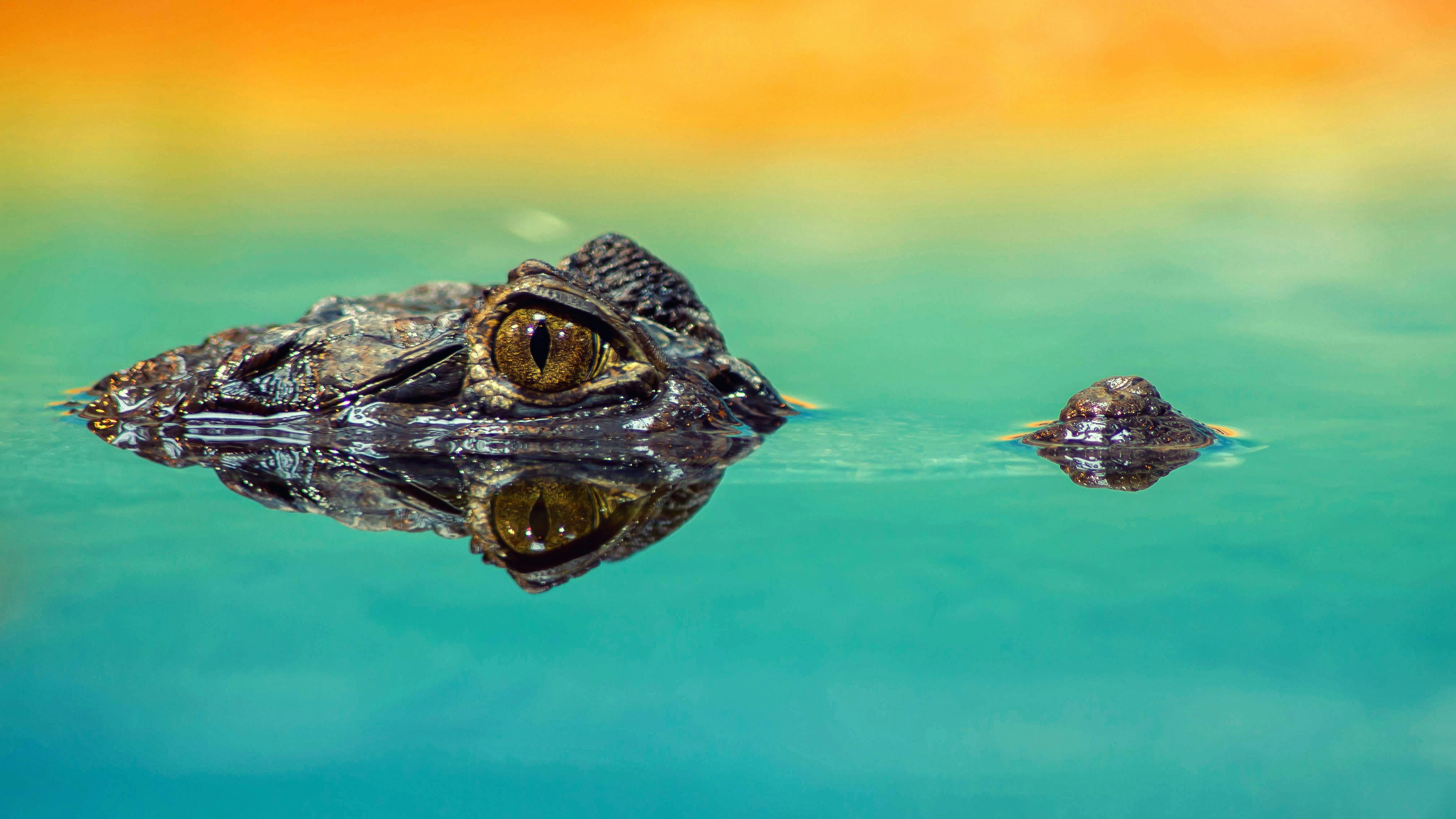
The Orinoco crocodile is a large species of crocodile found in the Orinoco River Basin in Venezuela and Colombia. Males are usually larger than females, reaching lengths of up to 4 meters (13 feet) and weighing up to 400 kilograms (880 pounds). The body is heavily armored with large scales and scutes, which provide protection from predators. The coloration of the Orinoco crocodile ranges from olive green to yellowish brown, with darker bands along its back. Its snout is narrow and pointed, and its eyes have vertical pupils that help it see better underwater. Its tail is long and muscular, which helps it swim quickly and maneuver in tight spaces. The claws are long and powerful, used for digging burrows as well as for hunting prey. Its teeth are sharp and curved, adapted for tearing flesh.
Habitat of Orinoco Crocodile
The Orinoco Crocodile can be found in the Orinoco River, which flows through Venezuela and Colombia. It prefers freshwater habitats such as slow-moving rivers, creeks, lakes, swamps and marshes. It is also found in estuaries and flooded forests during the wet season. Unlike other species of crocodiles, the Orinoco Crocodile is not found in brackish or saltwater habitats.
The species inhabits tropical lowlands and can be found at elevations up to 600 meters above sea level. The ideal temperature range for this species is 22-32 degrees Celsius. This crocodile prefers to live in shallow waters with plenty of vegetation that it can use as cover. They are mainly active during the day but may become nocturnal during periods of high temperatures or other environmental disturbances.
The Orinoco Crocodile feeds on a wide range of prey including fish, turtles, caimans, snakes, birds and small mammals. They have also been known to scavenge carrion from time to time. The young crocodiles feed mainly on insects and crustaceans until they are large enough to take on larger prey items such as fish. The adults will also feed on larger animals such as deer or tapirs if given the opportunity.
Diet of Orinoco Crocodile
The Orinoco crocodile is a large predator found in the lower reaches of the Orinoco River in South America. It is an apex predator, meaning it has no natural predators in its habitat. This crocodile feeds on anything that it can overpower, including fish, turtles, birds, and even small mammals such as capybaras. It can take quite large prey, and as such its diet is highly varied.
In addition to the animals mentioned above, the Orinoco crocodile also eats crabs, snails, frogs, lizards and snakes. It has been known to eat carrion as well as live prey. This means that the crocodile scavenges for food when it cannot find any living prey to hunt. This scavenging behavior helps keep its environment clean and free of dead animals or other debris.
When hunting for food, the Orinoco crocodile will usually wait patiently near the water’s edge before lunging forward to grab its prey with its powerful jaws and sharp teeth. It has been known to hunt both during the day and at night. Its hunting ground consists mostly of shallow waters where it can easily spot potential prey items from a distance.
The diet of an adult Orinoco crocodile may consist of up to 20% fish depending on their availability in its specific habitat. However, due to its size and predatory nature, this carnivore can survive on a wide variety of other animals if necessary. As long as there is enough food available for them to survive on they will be able to thrive in their environment without having any major problems with their diet or health.
In conclusion, the diet of an Orinoco crocodile consists mainly of fish but may include turtles, birds, small mammals such as capybaras and other animals such as crabs and frogs depending on what is available in their habitat. They are also known to scavenge for carrion if necessary and hunt both during the day and at night in shallow waters near riverbanks or estuaries where they can easily spot potential prey items from a distance
Behavior of Orinoco Crocodile
The Orinoco crocodile is a large, aggressive species of crocodilian found in the slow-moving rivers and wetlands of the Orinoco River Basin in South America. They have a very territorial nature, and males are particularly aggressive towards other males when defending their territory. During the day, they can be found basking in the sun on riverbanks or drifting along in the water. At night, they move around looking for prey and will venture up to four miles away from their home territory.
Orinoco crocodiles use their powerful tails to lunge at and grab prey with their strong jaws. They mainly feed on fish, turtles, caiman, and small mammals like capybaras. If food is scarce or difficult to come by, they are also known to feed on carrion or scavenge for what’s left behind by other predators. They are also known to be quite persistent when hunting prey, following it over long distances if necessary.
In terms of communication, Orinoco crocodiles use low-frequency grunts and bellows to signal aggression or territoriality. They are also very vocal during mating season, with males often making loud roars that can be heard from great distances. This helps them attract potential mates and ward off competing males from encroaching on their territory.
Overall, Orinoco crocodiles exhibit a wide range of behaviors that serve important functions in its survival and reproduction in its native environment.
Reproduction of Orinoco Crocodile
The Orinoco crocodile is a species of crocodilian found in the slow-moving rivers, marshes and lakes of the Orinoco River Basin in Venezuela and Colombia. It is one of the largest freshwater predators in the world and is an important part of the local ecosystem. Reproduction for Orinoco crocodiles begins in the spring, when mating pairs form and begin searching for suitable nesting areas. The female will lay a clutch of around 30 to 40 eggs which she will then guard until they hatch. The incubation period is around 90 days, after which the hatchlings will emerge from their eggs, usually at night.
The young Orinoco crocodiles are vulnerable to predation from caymans, large fish and other aquatic creatures. To protect themselves, they spend most of their time basking on rocks or logs close to shore where they can quickly retreat into the water if threatened. As they grow older, they become increasingly better adapted to life in the water, where they feed on a variety fish and other aquatic creatures.
Adult Orinoco crocodiles are solitary creatures that live alone or occasionally form small groups when feeding or nesting. They have few natural predators apart from humans, although large caimans may sometimes prey on them if given the opportunity.
The population of wild Orinoco crocodiles has been declining due to habitat loss and hunting for their skin which is used to make leather goods such as shoes and handbags. Conservation efforts are underway to protect this species by creating protected areas for them to breed safely and by regulating hunting activities in some areas. These efforts are slowly helping to reverse the decline in population numbers but more needs to be done if this species is going survive into future generations.
Threats to the Orinoco Crocodile Population
The Orinoco crocodile (Crocodylus intermedius) is a critically endangered species native to the Orinoco River Basin in South America. It is one of the largest and most unique species of crocodile in the world, making it an important part of global biodiversity. Unfortunately, this species is facing several serious threats from habitat destruction, illegal hunting, and human-crocodile conflicts.
Habitat destruction is one of the biggest threats for this species. As the human population continues to expand, more land is being developed for agriculture and industry. This has resulted in a dramatic decrease in suitable habitat for the Orinoco crocodile. In addition, dams and other infrastructure can fragment or block off vital rivers and wetlands, preventing these animals from accessing their natural habitats.
Illegal hunting is another major threat to the Orinoco crocodile population. This species is hunted for its meat, skin, and eggs, which are sold on the black market or used for traditional medicine. Hunting has led to a significant decline in the population size of this species over time.
Human-crocodile conflicts are also becoming increasingly common in areas where humans and crocodiles coexist. In some cases, humans have been killed or injured by crocodiles due to encroachment on their territory. This can lead to retaliatory killings of crocodiles by humans, further exacerbating population declines.
Overall, these threats have caused significant declines in the population size of the Orinoco crocodile over time. If action isn’t taken soon to protect this unique species, it could be lost forever. Conservation efforts such as habitat protection measures and education initiatives are needed to ensure that this species can survive into future generations.

Conclusion
The Orinoco crocodile is an amazing animal that can be found in the Orinoco River and its tributaries. It is a critically endangered species due to illegal hunting and habitat destruction. The Orinoco crocodile has unique characteristics such as its long and powerful tail, webbed feet, and semi-aquatic lifestyle. It is an important part of the local ecosystem and plays a crucial role in maintaining the balance of the river system. Conservation efforts are ongoing to ensure the survival of this species in its native habitat.
The Orinoco crocodile is an incredible species with incredible adaptations that allow it to survive in a wide range of aquatic habitats. Its unique qualities make it an important part of any river system and it deserves our respect and protection so it can continue to play its vital role in maintaining aquatic biodiversity for generations to come.
0 Comments