What is blister beetle animal?
In this article
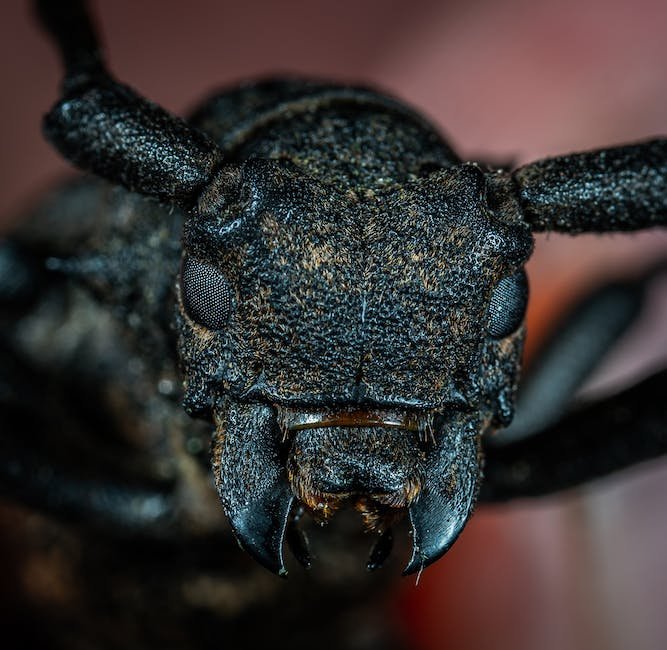
The blister beetle is a type of beetle that gets its name from its ability to secrete a substance that can raise blisters on the skin. These beetles are found in a variety of habitats all over the world. Some species are considered pests because they can damage crops, while others are valued for their ability to control pest populations.
Blister Beetles are insects that belong to the Meloidae family. There are over 7000 species of blister beetles in the world. These beetles get their name from the blisters that they can cause on human skin. Some species of blister beetles secrete a poisonous substance called cantharidin. This substance can cause blistering on the skin.
Where do blister beetles live in the US?
The striped blister beetle is the most common type of blister beetle in the southern and eastern United States, and is easily recognized by the black and orange stripes running along its back. These beetles are relatively harmless to humans, but can be a nuisance if they find their way into your home. If you do find a blister beetle in your home, the best course of action is to simply remove it and release it back into the wild.
Blister beetles are able to produce a chemical called cantharidin, which is toxic to both animals and humans. The male blister beetle secretes cantharidin and presents it to the female after mating. The female beetle applies the chemical to her eggs to protect them from predators. Cantharidin is a very dangerous chemical and can cause serious health problems in both animals and humans.
What does a blister beetle do
Blister beetles are known to excrete a toxic blistering agent called cantharidin. This substance can cause irritation and blistering when it comes in contact with the eyes, skin, mouth, throat, or digestive tract. The resulting irritation and blisters can be painful but usually are not life-threatening.
Blister beetles can be considered a beneficial insect in their larval stage when they feed on grasshopper eggs. However, once they become adults, they are nothing but trouble.
What kills blister beetles?
If you have a blister beetle infestation, your best bet is to use an insecticide that contains spinosad. This ingredient breaks down quickly into harmless components, so you don’t have to worry about it lingering in the environment.
Blister beetles are a type of beetle that can cause painful blisters and lesions when they are crushed on the skin. They release a chemical called cantharidin, which is a protective chemical, when they are threatened. Cantharidin can cause skin irritation, pain, and blistering. Signs of a reaction usually appear between 24 and 48 hours after contact. If you think you have been exposed to cantharidin, wash the area with soap and water and call your healthcare provider.
What happens if a dog eats a blister beetle?
Cantharidin can be toxic to both animals and humans if ingested, inhaled, or absorbed through the skin. Even though cantharidin is the active ingredient in many over-the-counter wart removers, cantharidin poisoning from these products is rare. Most cases of cantharidin poisoning occur in cattle that have eaten alfalfa or clover that was infested with blister beetles.
If you come in contact with a blister beetle, it is important to take care when removing it and washing the affected area. The beetle can release a chemical that can cause skin irritation. To avoid this, gently blow the beetle off of your skin and wash the area with soap and water. Any clothing that comes in contact with the beetle should be removed and washed as well.
Do blister beetles fly
From the name of them, you may guess “blister beetles” are insects you might not want to handle. However, they sure are beautiful to look at! We’ve been noticing blister beetles out and about at Powdermill over the last week or so. Some fly around clumsily, while other flightless species scurry among the leaf litter.
Since blister beetles are attracted to light, they may enter your home through open doors and windows. To prevent this, make sure to shut all doors and windows by sunset.
Does anything eat blister beetles?
Blister beetles can be a problem for farmers because they are attracted to blooming alfalfa. If farmers wait to cut the hay until after peak bloom, they are more likely to find blister beetles in the crop. To avoid this, farmers should cut the hay before peak bloom.
From the standpoint of the buyer, the blister beetle is a potential hazard to exposed horses and humans, and should be avoided. From the standpoint of the seller, the blister beetle is a potential source of income, and should be sold.
Should I pop a blister beetle bite
If you develop blisters after being bitten by an insect, don’t burst them because they may become infected. Blisters don’t usually cause pain unless they rupture (burst) and expose the new skin underneath. If possible, use an adhesive bandage (plaster) to protect the blistered area.
Blister beetles are attracted to blooming plants and can be found in hay fields from July through early September. They tend to cluster in masses near field edges, so it is important to avoid these areas when cutting hay. If you come across any blister beetles, be sure to check for signs of damage before cutting the hay.
How long do blister beetles live?
Blister beetles are a type of beetle that can cause serious damage to plants. They are particularly common in warm areas, and can live for over three months. During heavy infestations, they can cause extensive damage to crops and other plants.
Mint oil is a great natural way to repel pests like beetles. Simply mix together 10-15 drops of pure peppermint oil with 8 ounces of water, and spray it around your doorways, vents, and windows. The minty smell will help keep pests away!
Do blister beetles play dead
While blister beetles may feign death when they’re dislodged from their plant perches, don’t be fooled—they’ll be back on the plant in no time, continuing their meal. Their acting skills make them easy to collect from the ground, though, so if you’re looking to get rid of them, take advantage of their little charade.
Alfalfa is a great source ofFeed for horses and can be used to Control weeds. If you have blister beetles present, you may want to Apply an insecticide for control.
What is the most harmless insect
Ladybugs are one of the most harmless insects you can come across. They may be a nuisance if they come inside your home but they do no harm. They do play a role in eating smaller pests such as mites, aphids, and fruit flies.
While scabies is definitely a nuisance, it can be treated relatively easily with medication. Be sure to see a doctor if you think you might have scabies, as it can be easily confused with other skin conditions. In the meantime, try to avoid scratching as much as possible to prevent further irritation and secondary infections.
What bug bites look like pimples
Chigger bites are itchy red bumps that can look like pimples, blisters, or small hives. They are usually found around the waist, ankles, or in warm skin folds. They get bigger and itchier over several days, and often appear in groups.
If you suspect you have chigger bites, you can try to remove the chiggers with a sterile needle or tweezers. Wash the area with soap and water, and apply an antiseptic cream or lotion to the bites. If the bites are extremely itchy, you can take an antihistamine.
Blister beetles produce a toxin called cantharidin that can cause minor side effects like skin irritation and blistering in humans. For animals, accidental ingestion of blister beetles may cause gastrointestinal irritation, poisoning or death.
Warp Up
A blister beetle is an insect whose larvae live in the nests of bees, where they feed on the pollen. The adult beetles are often found on flowers, where they feed on nectar. They get their name from the fact that their larvae can cause blisters on the skin if they are handled.
Blister beetles are a type of insect that can be found in a variety of habitats around the world. These insects get their name from their ability to cause blisters on the skin when they are touched. While blister beetle bites are not usually dangerous, they can be very painful. If you think you have been bitten by a blister beetle, it is important to clean the wound and seek medical attention if the pain does not go away.
About