
Partridge is a type of small, round-bodied bird that belongs to the pheasant family. Partridges are native to Europe, Asia and Africa, but some species have been introduced to other parts of the world. These birds are typically brownish-grey in colour with darker barring on their wings and tail. They often feature a black “V” marking on their chests and a distinctive white ring around their necks. Partridges are ground-dwelling birds that feed on seeds, fruits and insects. They are typically found in open fields and woodlands where they can forage for food and find cover from predators. Partridge hunting is popular in many countries due to the bird’s challenging nature and delicious flavour.A partridge is a type of bird that belongs to the Phasianidae family. It is a medium-sized bird, usually with a plump body, mottled plumage, and a long pointed tail. Partridges are found in many parts of the world and are known for their distinct call or song.
Contents
What Does a Partridge Look Like?
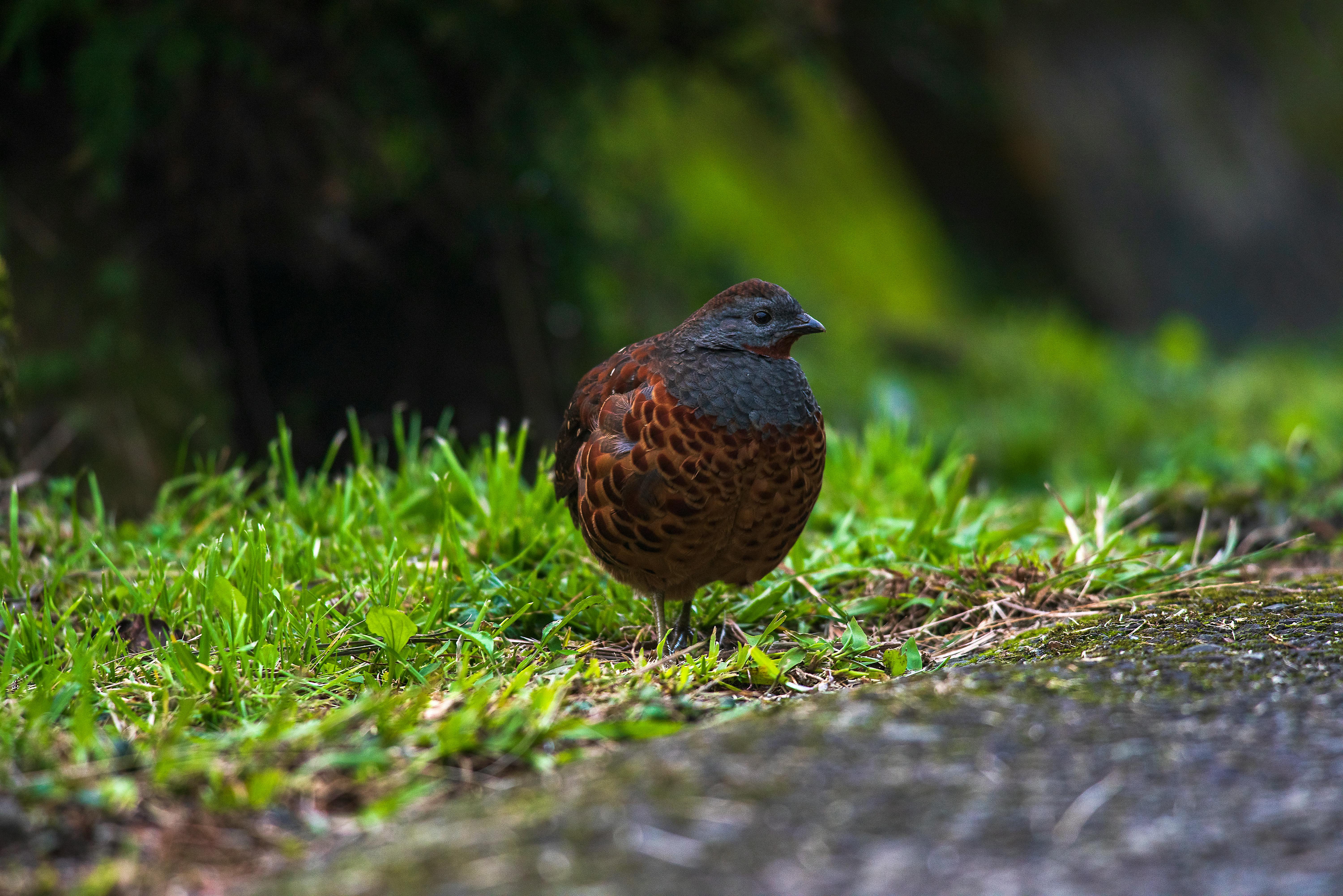
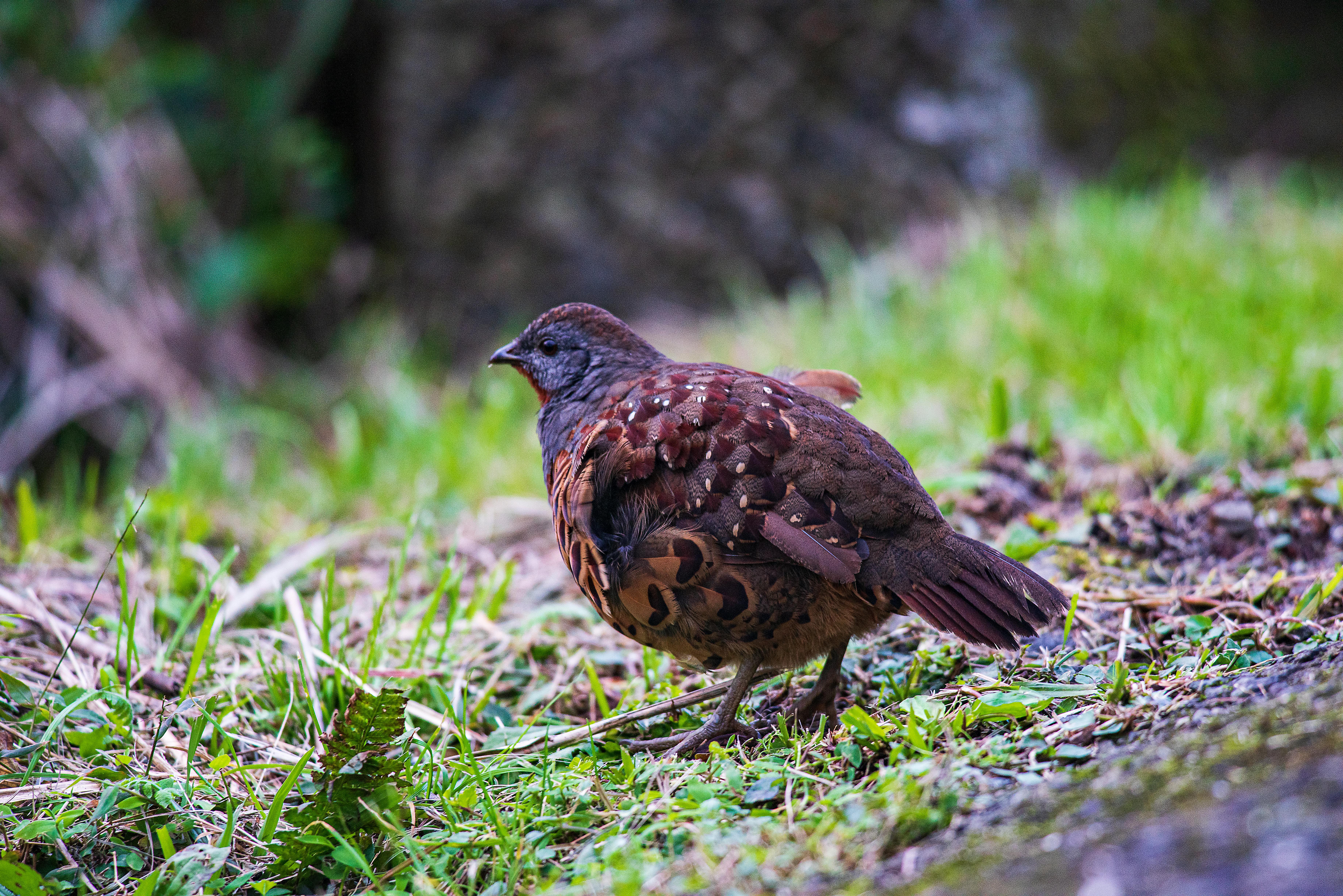
The partridge is a member of the grouse family, and is easily identifiable by its distinctive patterned plumage. The bird typically has a light brown back with a chestnut brown belly, and white bars on the wings and tail. The males usually have a black throat patch, while females may have either white or black throats. The partridge’s head is greyish-brown, with a white-streaked brow and red legs. Its bill is yellowish-orange in colour.
Partridges have rather short tails that are broad at the base and pointed at the tip. They typically measure about 25 cm in length, with females being slightly smaller than males. Partridges also have short wings with rounded tips and long legs which help them to run quickly through thick underbrush when they feel threatened by predators.
Partridges are mainly found in open grasslands, shrublands and forests of Europe, Asia, Africa and Southwest Asia. They feed on seeds, insects, berries and other small animals that they find on the ground or in trees. In some regions they are hunted for sport or as food sources for human consumption.
Overall, partridges can be easily recognised by their distinctive patterned plumage, short tails and long legs. They are quite common throughout their range and can be found in many areas around the world.
Where Does the Partridge Live?
The partridge is a medium-sized game bird that lives in woodlands, scrub, and farmland across Europe and parts of Asia. It is a mainly terrestrial species, but it will also take to trees when disturbed. The partridge prefers open habitats with plenty of cover for protection from predators.
The species can be found in open grassland, meadows, and even agricultural fields. The partridge feeds mainly on the ground, eating seeds and insects. Its diet also includes fruits and berries when available. During the winter months, the partridge may feed on buds and shoots of shrubs or trees.
Partridges are monogamous birds that form pairs during the breeding season. They often use the same nesting site year after year if conditions remain suitable. The partridge builds its nest on the ground by forming a depression lined with leaves or grasses in dense vegetation or under hedgerows or bushes.
Partridges are usually seen in pairs or small groups throughout their range, although they may gather in larger flocks during winter months when food is scarce. They roost at night on low branches of trees or bushes, although they may also choose to sleep on the ground if there is enough cover from predators.
In general, partridges prefer areas with plenty of brushy cover so they can escape from predators such as foxes and hawks. They also need access to food sources such as insects and seeds throughout the year to survive and breed successfully.
Overall, partridges are adaptable birds that can live in a variety of habitats provided their basic needs for food and protection from predators are met.
What Does the Partridge Eat?
The partridge is a ground-dwelling bird that typically feeds on small invertebrates such as insects, spiders, and worms. They also feed on seeds, berries, nuts, and grains. Partridges have been known to eat fruits and vegetables in captivity. They also feed on eggs and carrion when available. In general, partridges prefer to feed on the ground rather than in trees or bushes. They will sometimes eat from trees if food is scarce. Partridge diets vary depending on their environment and availability of food sources.
Partridges usually live in open woodlands and grasslands where they can easily find their food sources. In agricultural areas, they may feed on crops or even scavenge for food waste near farms or gardens. In urban areas, they may also scavenge for food scraps or hunt for small insects in parks or gardens.
Partridges are omnivorous animals that can adapt to many different habitats and food sources. While their diet mainly consists of insects and other invertebrates, they are able to survive on a wide variety of foods including fruits, seeds, nuts, grains, eggs, carrion, and even human-made food sources such as discarded food scraps. As long as there is a reliable source of food available to them, partridges will continue to thrive in various environments around the world.
How Long Do Partridges Live?
Partridges are relatively long-lived birds, living up to 10 years in the wild. However, in captivity, they can live much longer with some individuals surviving for up to 15 or 20 years. Wild partridges tend to live shorter lives due to predation, environmental factors and other challenges they face in the wild.
Partridges are hardy birds and have adapted well to a variety of habitats around the world. In their natural environment, they can be found in woodlands, scrublands and open grasslands. They feed on seeds, insects and small invertebrates such as spiders and snails.
The lifespan of individual partridges can vary depending on the species and their environment. For instance, red-legged partridges typically live up to 10 years while grey partridges have a maximum lifespan of around 8 years in the wild. The chukar partridge is believed to have one of the longest lifespans among all species of partridge, with some individuals living up to 17 years in captivity.
The survival rate of young partridge chicks is also important for determining their lifespan as adults; if young chicks do not survive long enough, then fewer adults will be present in subsequent generations. This is why conservation efforts are important for promoting healthy populations of these birds.
Overall, partridges can live quite long lives if given the right conditions. They are resilient birds that can survive a variety of different habitats but require appropriate conservation measures to ensure their population sizes remain stable over time.
Are Partridges Good to Eat?
Partridges are a type of game bird that is popular for hunting and eating. They have been eaten for centuries and are considered to be a delicacy in many countries. Partridges can be cooked in a variety of ways, from roasting to grilling, and their flavor is mild and slightly sweet.
Partridges are relatively small birds, so they don’t provide a large amount of meat per bird. However, they do provide lean protein as well as other vitamins and minerals. The small size makes them ideal for roasting or pan-frying, as the meat cooks quickly without drying out. Partridge meat is also quite versatile and can be used in all sorts of dishes, from stews to salads to casseroles.
When it comes to taste, partridge meat is generally considered to be quite mild and slightly sweet. It has a delicate texture that can easily be overpowered by stronger flavors if not cooked correctly. That said, partridge can have a rich flavor when cooked properly with herbs and spices.
Overall, partridges are an excellent choice for those looking for lean protein that is both tasty and healthy. They may not provide large portions of meat per bird, but their mild flavor makes them an ideal choice for those who prefer more subtle flavors in their meals. With the right preparation techniques, partridges can make a delicious addition to any meal!
Are Partridges Endangered?
Partridges are a type of game bird, and are members of the Phasianidae family. While they are not considered an endangered species, there are some species that are threatened or vulnerable. The Red-legged Partridge is listed as Near Threatened by the IUCN, and in some countries, such as France and Spain, their populations have been declining rapidly.
The BirdLife International lists the Grey and Chestnut-bellied Partridge in their list of threatened species, with both being listed as Vulnerable. These birds have seen a dramatic decrease in population due to habitat destruction caused by agricultural expansion, as well as hunting pressure from humans.
In some parts of Europe, partridges have been reintroduced into areas where they had previously disappeared due to human activity. This has helped to increase their population in certain areas, but it is still not enough to ensure the survival of these birds in the long term.
In order to protect partridges from further decline, conservation efforts should be put into place to protect their natural habitats and restrict hunting activities. This could include creating protected areas for these birds and regulating hunting so that only sustainable numbers of partridges can be harvested each year.
Ultimately, partridges may not be considered endangered yet, but they are certainly vulnerable and need our protection if they are to survive in the future. Conservation efforts should focus on protecting their habitats and regulating hunting activities so that we can ensure that these beautiful birds will continue to be a part of our natural environment for generations to come.
Are There Different Species of Partridge?
Yes, there are a variety of different species of partridge found in the world. The most common species of partridge is the gray partridge, which is found in Europe, Asia and North America. Other species include the red-legged partridge, which can be found in Europe and North Africa; the chukar, which is native to South Asia; and the Himalayan snowcock, which is native to the Himalayas.
The red-legged partridge is one of the most popular game birds for hunters due to its size and availability. This species has also been domesticated and kept as pets. The chukar is another popular game bird with a slightly more challenging hunt due to its size and ability to fly quickly. The Himalayan snowcock is a large, rare species that lives at high altitudes in the Himalayas.
Partridges are some of the most widespread and adaptable game birds in the world. They can be found living from sea level up to high mountain elevations. While their range varies by species, they can generally survive in open grasslands, forests, rocky slopes or even agricultural fields in some cases.
Overall, there are many different species of partridge that have adapted to a wide range of habitats around the world. These birds offer a great opportunity for hunting or keeping as pets depending on which type you choose.
Conclusion
The partridge is a small, ground-dwelling bird that is found throughout the world. It is a member of the pheasant family and is known for its distinctive call and colorful plumage. Partridges are preyed upon by many different predators and can be found in a variety of habitats. They are also hunted by humans for their meat, eggs, feathers, and skins.
Partridges feed on seeds, grains, insects, worms, fruits and berries. They are active during the day and move around in small flocks or alone. Partridges have been domesticated for centuries and can now be found in farms and parks around the world.
In conclusion, the partridge is an interesting bird that has long been appreciated by humans for its beauty and usefulness as food or other materials. Its colorful plumage makes it an attractive addition to any backyard or wildlife refuge. Its call adds an interesting element to its surroundings while its diet helps to keep the environment healthy. It is truly a remarkable creature that deserves our admiration!
0 Comments