
The Palo Verde Beetle is a type of insect that belongs to the Scarabaeidae family. It is native to Central and South America and is found in parts of Mexico, Costa Rica, Honduras, Nicaragua and Panama. The beetle is typically green in color with yellow stripes running across its back. Its body ranges from ½ inch to 1 inch in length and it has a distinctive rounded shape. The Palo Verde Beetle feeds on vegetation and is an important pollinator of plants. It also plays an important role in the ecosystem as it helps break down plant material into nutrients that can be reused by other organisms.A Palo Verde Beetle is a large, black beetle with white spots that can be found in the southwestern United States. The beetle is native to the Sonoran Desert and is famous for its loud clicking noise and display of colors. It feeds on leaves, flowers, and fruit, making it a beneficial insect for gardens. The larvae feed on dead wood and other decaying organic matter.
Contents
Palo Verde Beetle Appearance
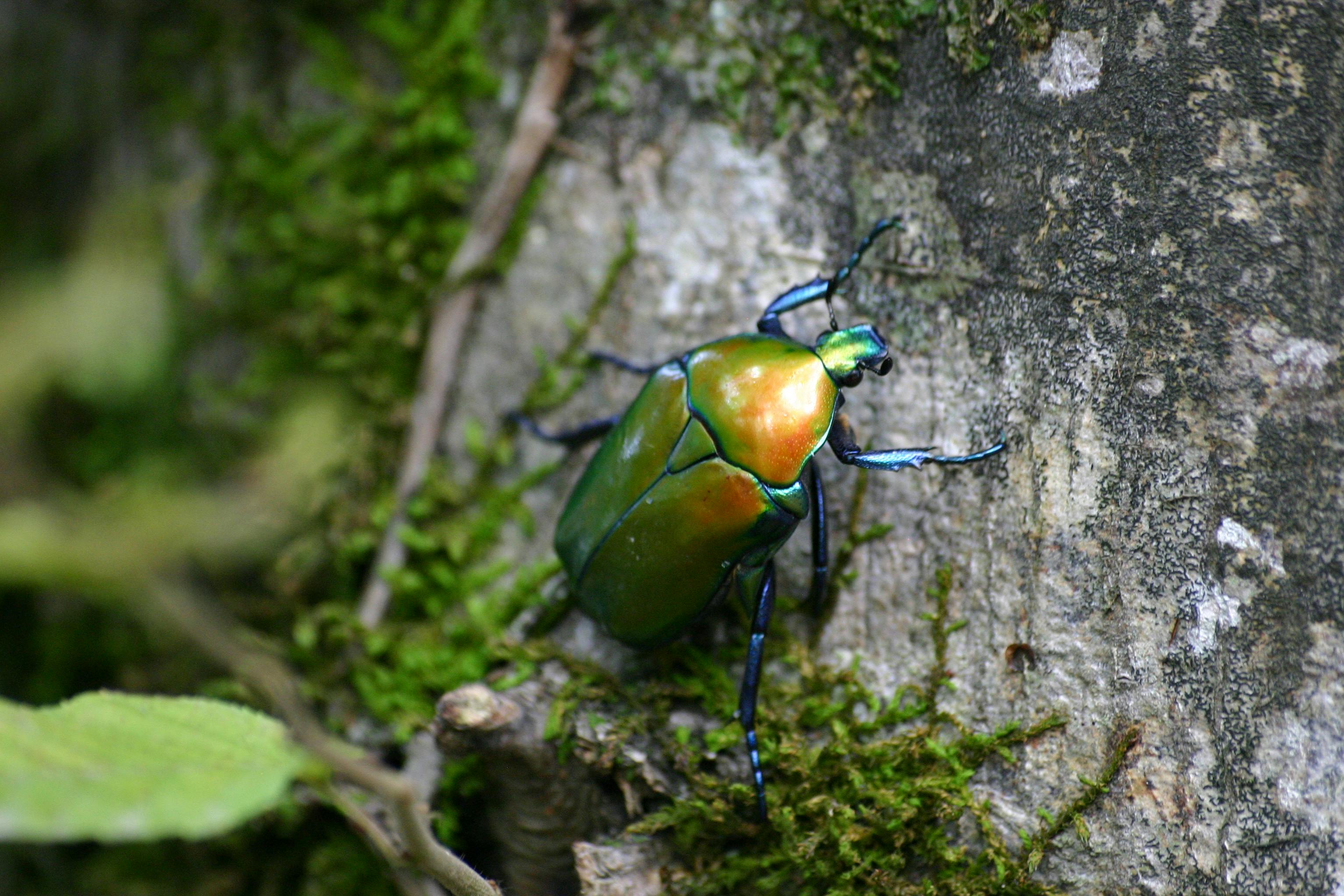
The Palo Verde Beetle is an interesting looking insect. It has a bright green, metallic body that can range from 1/2 to 1 inch long. The head and thorax are black and the abdomen is usually yellow or white. Its legs, antennae, and wings are all black and its eyes are a golden yellow. The Palo Verde Beetle has an oval shaped body and its wings fold up over its back when it is at rest. It has three pairs of legs and two antennae on the front of its head. Its thorax is covered in short, black hairs that give it a furry appearance.
The Palo Verde Beetle is native to the southwestern United States, specifically Arizona and New Mexico. It can be found in areas with lots of vegetation such as desert washes, riparian areas, and fields. They can also be found around homes and gardens in these areas. They are most commonly seen during the summer months when they become active during the day time hours.
Palo Verde Beetle Diet
The Palo Verde Beetle is a type of beetle native to parts of the southwestern United States and Mexico. Its diet consists mainly of plant matter, particularly leaves and stems from trees, shrubs, and other plants. The beetle is also known to feed on dead or decaying vegetation. In addition to plant matter, the Palo Verde Beetle also eats small insects such as caterpillars, aphids, and other beetles. It will also scavenge for other food sources such as carrion or rotting fruit.
The Palo Verde Beetle is an omnivore which means it can eat both plants and animals. Its diet is mostly vegetarian but it may supplement its diet with animal sources when available. In some areas, the beetle has been known to consume small amounts of bird eggs or nestlings when given the opportunity. The beetle has even been observed feeding on humans in rare cases when they are close enough to be targeted by the beetle’s mandibles.
The nutrition that comes from a Palo Verde Beetle’s diet consists primarily of carbohydrates, proteins, fats, vitamins, minerals and water. Since the beetle’s diet consists mainly of plants and insects it provides a good source of protein while also providing essential vitamins and minerals such as phosphorus and magnesium that are important for healthy growth and development in humans as well as other animals.
The Palo Verde Beetle can be an important part of any ecosystem due to its role in decomposition which helps cycle nutrients back into the soil for other organisms to benefit from. The beetle’s diet plays an integral role in helping maintain a healthy environment for all living things by aiding in decomposition processes that help keep soil healthy and balanced.
Palo Verde Beetle Habitat
The Palo Verde beetle is a species of beetle found throughout the southwestern United States and Mexico. These beetles live in many different habitats, from deserts to grasslands and even near the ocean coastlines. They are especially fond of areas with dense vegetation, such as forests and gardens. The ideal habitat for a Palo Verde beetle is a warm, humid area with plenty of food sources and shelter from predators. They will often live in dead trees or logs, under rocks or logs, or in burrows in the ground.
Palo Verde beetles also require a source of water to survive, so they often congregate around ponds, streams, rivers, and other bodies of water where they can drink and hunt for food. In addition to these water sources, they need plenty of plants to feed on, such as grasses, leaves and flowers. These beetles are especially attracted to the nectar produced by flowering plants like cacti and succulents.
In order to reproduce successfully, the female Palo Verde beetle needs an ample supply of food during egg-laying season. She will lay her eggs on soft plant material such as leaves or moist soil near a water source. She will then guard her eggs until they hatch into larvae which feed on decaying plant material before pupating into adult beetles.
The ideal habitat for the Palo Verde beetle is one that provides plenty of food sources for adults and larvae alike as well as adequate shelter from predators. This species does not do well in dry or cold climates so it is important for them to have access to moisture-rich areas when possible. While these insects are usually not considered pests due to their limited numbers, homeowners should still take care when dealing with them as they can cause damage if left unchecked.
Palo Verde Beetle Predators
Palo Verde beetles are a species of large, flying beetle found in the southwest United States and Mexico. These beetles have a wide variety of predators, including birds, bats, lizards, and other insects. Birds such as crows, jays, and hawks will often hunt Palo Verde beetles for food. Bats also feed on these beetles and can consume large numbers of them in a single night. Lizards such as the collared lizard are also known to prey on Palo Verde beetles. Other insects such as wasps and spiders will prey on the larvae that hatch from the eggs laid by adult female Palo Verde beetles. These predators make it difficult for the beetle population to survive and reproduce in some areas.
In addition to these natural predators, humans can also be predators of the Palo Verde beetle. People often collect these insects for display in museums or private collections. Some people even use them as bait when fishing or hunting other animals. In some areas, people hunt Palo Verde beetles for sport or use them as food sources during times of famine or drought. Regardless of how they are used by humans, they can have a negative impact on the overall population size of this species if not managed responsibly.
Palo Verde Beetle Life Cycle
The Palo Verde Beetle, also known as the Cissus palo-verde, is a species of beetle native to the Sonoran Desert. It has a unique life cycle that begins with an egg laid in the bark of a tree. The eggs hatch into grubs and feed on the tree’s sapwood. As they grow, they molt several times and eventually pupate in the soil below the tree. After a few weeks, adult beetles emerge from their pupa and fly away in search of food and mates.
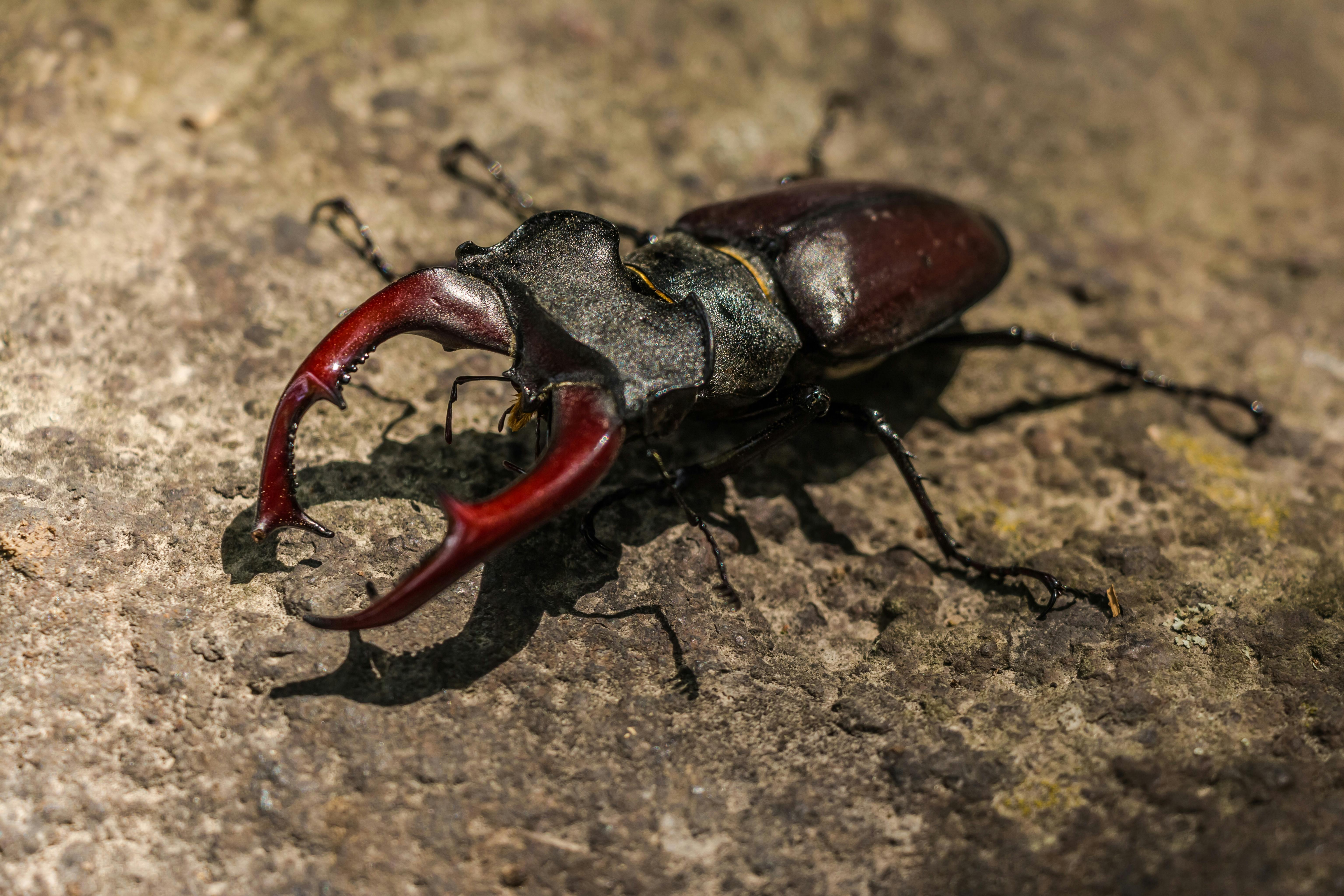
Adult Palo Verde Beetles typically live for about six months, during which time they will mate and lay eggs multiple times. During mating season, males will use their large mandibles to battle for females. After mating, females will lay their eggs in bark crevices or under thick layers of soil near trees.
The eggs will hatch within two weeks into small white grubs that are about an inch long. These grubs will feed on decaying vegetation and tree sapwood until they reach maturity after several months or years depending on environmental conditions. At this point, they will burrow into the soil and transform into pupae where they will remain until they emerge as adults two to three weeks later.
Once emerged as adults, Palo Verde Beetles can fly up to three miles in search of food sources like nectar or decaying plant material. They are also important pollinators of desert plants such as yucca and saguaro cactus flowers. After mating and laying eggs several times throughout their six-month lifespan, Palo Verde Beetles eventually die off in late summer when temperatures become too hot for them to survive.
The unique life cycle of the Palo Verde Beetle is an important part of its survival in the Sonoran Desert region. By adapting to its harsh environment, it has been able to thrive for thousands of years despite ever-changing climatic conditions. Its ability to quickly reproduce coupled with its impressive flying capabilities make it an integral part of any desert ecosystem it inhabits.
Palo Verde Beetle Reproduction
The Palo Verde beetle is a species of scarab beetle that is native to the southwestern United States and Mexico. It is a prolific species, with adults reproducing multiple times in a single season. The female lays eggs in the soil, which hatch into larvae. These larvae feed on the roots of plants, and can be destructive to crops and gardens if left unchecked. After several weeks of larval development, the larvae pupate and eventually emerge as adults. Adults live for several months and can reproduce multiple times during this period. They feed on nectar from flowers, as well as other plant material like leaves and stems. If the environmental conditions are favorable, they may reproduce up to three times in one season!
The Palo Verde beetle’s reproductive cycle is largely influenced by temperature and humidity levels. In order for reproduction to occur, temperatures must remain relatively warm throughout the day and night. This means that reproduction may occur more quickly in areas with warmer climates than in cooler regions. High humidity levels also play an important role in successful reproduction since eggs need moisture to mature properly. In dry environments, the eggs may not survive long enough for the larvae to develop.
In order to prevent large infestations of Palo Verde beetles, it is important to make sure that conditions are not conducive for reproduction. Areas should be kept free from excessive moisture or dampness, as this will encourage egg laying behavior from females. Additionally, plants should be monitored for early signs of larval damage so that preventive measures can be taken before large populations build up. By following these steps, it is possible to keep populations of Palo Verde beetles in check without resorting to pesticides or other chemical treatments.
Palo Verde Beetle Control Methods
Palo verde beetles can be a real nuisance for homeowners in warmer climates. Fortunately, there are several methods of control that can help eliminate these pests from your property.
One of the most effective methods of controlling Palo Verde beetles is to use insecticides that target their larvae. These products should be applied to the soil around the base of any palo verde trees, as well as any other trees or shrubs that may attract these pests. It is important to make sure to follow the instructions closely when applying these insecticides, as over-application can cause harm to other beneficial insects or plants.
Another method of controlling Palo Verde beetles is to hand-pick them off of plants and trees and dispose of them away from your property. This is a labor-intensive option, but it can be very effective in reducing beetle populations if done diligently.
In addition, some homeowners have found success using natural predators such as wasps, spiders and lacewings to control the beetle populations on their property. If you choose this method, make sure that you avoid using pesticides or herbicides that might harm these beneficial insects.
Finally, it is also important to keep your property free of debris and clutter so that these pests do not have places to hide in or lay eggs in during the warmer months. Regularly cleaning up fallen leaves and branches will help reduce their numbers significantly.
By following these tips and implementing an integrated pest management plan, you should be able to successfully reduce the number of Palo Verde beetles on your property and enjoy a pest-free outdoor space for years to come!
Conclusion
The Palo Verde Beetle is a unique and interesting insect found in the desert areas of the southwestern United States. It has a long lifespan and is an important part of the food chain as it helps to control the population of other insects. It also helps to aerate soil and provide nutrients to plants. The larvae of the beetle can cause significant damage to trees, making it important for homeowners to recognize and control them before they become a problem.
Overall, the Palo Verde Beetle is an interesting and beneficial insect that plays an important role in the desert environment. Its presence should be appreciated rather than feared, as it helps to maintain balance in its ecosystem.
By understanding more about this fascinating creature, we can help ensure its continued existence in our world.
0 Comments