
Owls are nocturnal birds of prey belonging to the order Strigiformes. They are characterized by their large, forward-facing eyes and flat faces. Owls hunt mostly small mammals, insects, and other birds, although a few species specialize in hunting fish. They tend to be solitary and quiet creatures that live in a variety of habitats, from deserts to forests and tundra. Owls have adapted to many environments and are found on every continent except Antarctica.An owl is a nocturnal bird of prey with large eyes, a hooked beak and typically a loud call. Owls hunt small animals, insects, and other birds, and can be found in many parts of the world. Owls have exceptional vision and hearing, which allows them to silently swoop down on their prey. Some also possess a “talon grip”, which gives them the ability to grasp their prey tightly.
Contents
Types of Owls
Owls are fascinating creatures that have been both feared and respected since ancient times. There are many different types of owls found around the world, each with their own unique characteristics and behaviors. The most common species are the barn owl, the great horned owl, and the snowy owl.
The barn owl is one of the most widely distributed species in the world. It is found in grasslands, woodlands, and wetlands, and prefers to nest in old buildings or hollow trees. Barn owls are instantly recognizable by their long legs, white face, and heart-shaped facial disc.
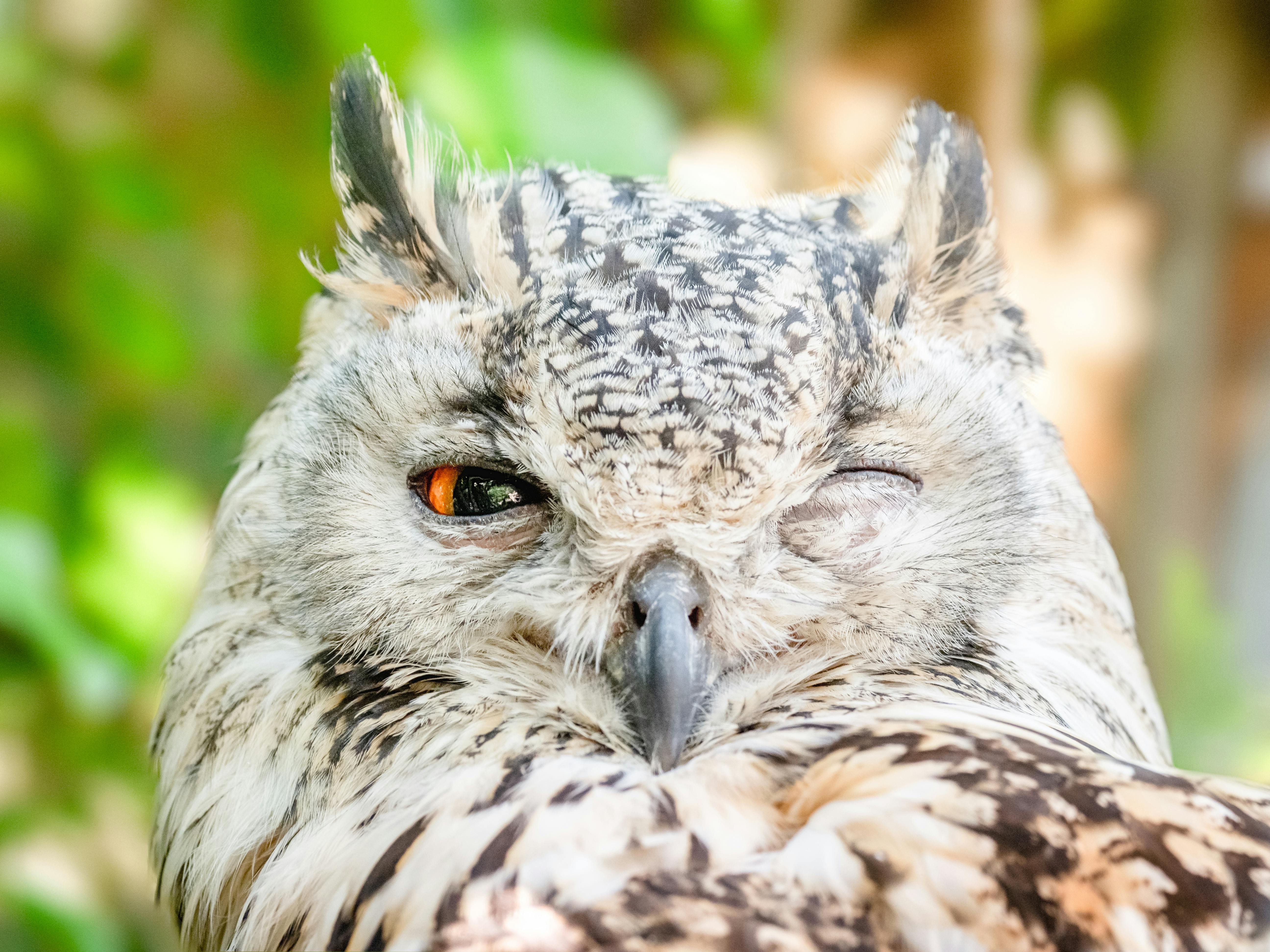
The great horned owl is a larger bird with prominent ear tufts and yellow eyes. They can be found throughout North America from Alaska to Mexico, as well as South America. Great horned owls prefer open areas such as grasslands or marshes for hunting prey at night.
The snowy owl is a large white bird that lives in northern regions such as Canada, Alaska, Scandinavia, Russia and Greenland. It prefers open tundra habitat for hunting small mammals such as lemmings and voles during the day or night. Snowy owls have powerful talons which they use to capture their prey before eating it whole.
Other species of owls include the burrowing owl which lives in underground burrows in prairies across North America; the barred owl which is found mainly in woodlands; the elf owl which is found in deserts from Mexico to Texas; and the spectacled owl which inhabits forests from Central America to South America.
No matter what type of owl you find yourself admiring, each species has something special about them that make them truly majestic creatures!
Physical Characteristics of Owls
Owls have some unique physical characteristics that make them well-suited for life as a predator. They have large eyes and a facial disc that helps to funnel sound towards their ears. This allows them to hear prey moving even in complete darkness. The shape of their wings also helps them to fly silently, allowing them to sneak up on unsuspecting prey. Owls also have sharp talons and beaks that they use to capture and kill their food. Their feathers are specially adapted to provide insulation and keep them warm in cold climates, while their light weight makes them agile flyers. In addition, owls are able to rotate their heads up to 270 degrees, allowing them to hunt in all directions without having to turn their bodies.
Owls come in a variety of sizes, from the tiny elf owl which weighs only 1 ounce, up to the great grey owl which can weigh up to 4 pounds. Most species have some combination of brown or grey feathers with white spots or bars which help them blend into their environment and remain hidden while hunting. Owls also come in a variety of colors such as red, yellow, orange, and even purple!
Life Cycle of Owls
The life cycle of an owl is similar to other birds. The process starts when an egg is laid and incubated by the female. After the eggs hatch, the chicks are fed and cared for by both parents until they are ready to leave the nest. At this stage, they are called fledglings. Fledglings learn to fly and hunt on their own. They stay in close proximity to their parents for several weeks until they become independent.
Once owls reach adulthood, they begin looking for a mate and establishing nesting grounds. Owls typically form monogamous pairs and will often remain together for life. The female owl will lay anywhere from two to five eggs which she will incubate until hatching. The male will bring food to her while she is incubating the eggs and afterward, he will feed the young owlets until they can fend for themselves.
Once the owlets have left their nest, they are on their own and must find food, shelter, and a safe place to roost during the day or night depending on their species of owl. Owls live anywhere from 3-20 years depending on species and environment conditions. As owls get older, their feathers start to show signs of wear and tear which can make them more vulnerable to predators or harsh weather conditions.
The life cycle of an owl is a fascinating journey that allows them to survive in a variety of environments with different prey sources available throughout different seasons. Understanding their behavior helps us gain insight into how we can help protect these animals from extinction in our ever-changing world.
Owl Habitats
Owls are found in nearly every habitat around the world, but they do have certain preferences. Owls live in a variety of habitats, including grasslands, tundra, boreal forests, deserts, tropical rainforests, and even urban areas. Owls typically prefer areas with plenty of trees and dense vegetation for hunting and nesting. They also need access to open areas for hunting small mammals.
Most owls live in trees or on cliffs and rocky outcroppings. They build their nests on large tree branches or in cavities in rocks or trees. Many owls also nest in man-made structures such as barns or abandoned buildings. Some species of owls even use burrows dug by other animals as their nesting sites.
Owls primarily hunt at night and during the early morning hours when it is dark outside. During the day they will roost in sheltered areas where they are hidden from predators and the heat of the sun. They tend to prefer shady spots such as thickets of trees or dense foliage. Some species will also roost on buildings or other man-made structures such as bridges or power poles for protection from their predators during the day.
When searching for a suitable habitat for an owl, it is important to provide plenty of cover for them to hide from predators and shelter from extreme weather conditions such as heavy rains or strong winds. Owls need access to open spaces so that they can hunt small animals such as rodents, frogs and insects that live there. In addition to providing cover and open spaces, providing a source of water is also important for owls since they need water to keep themselves hydrated while hunting and searching for food.

Social Behaviors
Owls are typically solitary birds, but some species are known to form long-term bonds with their mates. Owls often form large family groups, with parents and offspring living together in the same area. They also engage in a variety of social behaviors, such as hooting, preening, and grooming each other. In addition, they use a variety of vocalizations to communicate with one another and to establish their territories.
Hunting Behaviors
Owls hunt primarily at night, using their sharp vision and hearing to locate prey. They use their talons and beaks to capture prey, which can include small mammals, insects, birds, reptiles, amphibians and fish. Owls have excellent vision in low light conditions which enables them to hunt successfully at night. Additionally, many species have formidable hearing capabilities that allow them to detect even the slightest movements of their prey from great distances away.
Reproductive Behaviors
When it comes time for mating season owls will engage in a variety of courtship behaviors such as hooting and bowing displays. Females will typically lay between two and four eggs which are incubated for approximately thirty days before hatching. After the eggs hatch both parents will care for the young owlets until they reach maturity several months later.
Defensive Behaviors
When threatened owls rely on a variety of defensive behaviors in order to protect themselves from predators. These behaviors can include hiding in thick vegetation or taking flight when disturbed or alarmed by potential threats nearby. Additionally owls use a wide range of vocalizations such as screeches, barks and hisses as warning calls that signal danger is near.
What is an Owl’s Diet?
Owls are carnivorous birds that feed on a variety of small animals, such as mice, voles, shrews, and other small mammals. They also eat birds, reptiles, amphibians, fish, and some insects. Owls hunt mainly at night and use their sharp eyesight and hearing to locate their prey. They have powerful talons that help them capture their prey and strong beaks to tear apart the flesh. Owls will also scavenge for carrion when available.
Types of Food
Owls can be found in a variety of habitats including forests, grasslands, deserts, and even urban areas. The type of food an owl consumes depends on the habitat they live in and what is available. For example, a Great Horned Owl living in a temperate forest may feed on rabbits or other small mammals while another living in the desert may feed on lizards or other reptiles.
How do Owls Digest Their Food?
Owls have very efficient digestive systems that allow them to extract all the nutrients from their food. After swallowing their prey whole or in chunks, owls use their gizzards to grind up the food into smaller pieces so it can be digested more easily. The gizzard helps break down proteins and fats while the stomach secretes enzymes that break down carbohydrates. Owls then absorb the nutrients through their intestinal walls into their bloodstreams for energy.
Benefits of Eating an Owl’s Diet
Eating like an owl can provide humans with many health benefits due to its high nutritional value. The food eaten by owls is often high in protein which is essential for muscle growth and repair as well as maintaining healthy bones and organs. Additionally, owls consume many fatty acids which are important for heart health as well as brain development in children.
Predators of Owls
Owls are generally solitary and nocturnal birds of prey. They belong to the order Strigiformes, which consists of more than 200 species of owls. As a result, they have a wide variety of predators. Some of the common predators of owls include hawks, eagles, foxes, coyotes, domestic cats, and raccoons. Hawks and eagles are among the most common predators as they possess sharp claws and beaks that can easily tear through the owl’s feathers and skin. Foxes are also known to hunt owls for food and to protect their territories from intruders. Coyotes usually hunt in packs and can easily overpower an owl if they catch it off guard. Domestic cats may also attack owls if they come across one, although this is rarer than attacks by wild predators. Finally, raccoons are known to raid owl nests for eggs or baby owls if they find them unprotected.
In addition to these predators, humans may also pose a threat to owls due to activities such as deforestation and hunting. Deforestation destroys the habitat of many species of owls, leaving them vulnerable to predation or starvation due to lack of food resources. Hunting is illegal in most countries but still occurs in some areas, leaving the owl population vulnerable to exploitation by poachers or hunters who may not follow legal regulations or ethical practices when targeting owls for food or other purposes.
Conclusion
Owls are a fascinating species of bird that have adapted to their environment in order to survive. They have unique characteristics such as their ability to fly silently and their large eyes that give them excellent night vision. Owls are also known for their distinctive call which can be heard during the night. They are an important part of our ecosystem and play an important role in keeping the balance of nature in check. Owls can be found in many different locations around the world and come in a variety of sizes, colors, and shapes. Despite their mysterious nature, owls are beautiful creatures that should be respected and protected.
Owls have been around since ancient times, with many cultures having stories and legends about them. Today, owls can be found in zoos and nature preserves as well as living wild in forests, fields, and wetlands across the world. With a little research, anyone can learn more about these remarkable birds and appreciate the incredible beauty they bring to our world.
0 Comments