
The Orange-Crowned Warbler (Oreothlypis celata) is a small migratory songbird that can be found in North America, from Alaska to Mexico. It is a member of the wood-warbler family and has a distinct yellowish-olive coloration with white streaks on its back and yellowish wash on its belly and throat. Its crown is orange, which is how it gets its name. The Orange-Crowned Warbler lives in open woodlands, brushy areas, and wetlands where it feeds on insects and spiders. It breeds in northern parts of the United States and Canada during the summer months before migrating south for the winter.The Orange-Crowned Warbler (Oreothlypis celata) is a small migratory songbird found across North America. This species has a bright yellow underparts, with white or greyish upperparts and wings. It has a distinctive orange patch on the crown of its head, from which it gets its name. The Orange-Crowned Warbler is typically found in shrubby thickets, low trees, and wetlands. It commonly feeds on insects, spiders, and other small invertebrates. During the breeding season, this species can be heard singing its unique song—a series of high-pitched chirps. Outside of the breeding season, this warbler is usually quite secretive and difficult to spot in the wild.
Contents
Physical Characteristics
The Orange-Crowned Warbler is a small songbird that lives in North America. It has a slender body and measures between 4 to 5 inches in length. Its wingspan is about 5.4 to 6.4 inches. Its plumage is olive-green on the upperparts and yellowish-green on the underparts, with a distinctive yellow throat and a bright orange patch on its head crown. Its bill is slender, pointed, and black in color, while its legs and feet are bluish-gray in color. The male and female of this species look similar although the male may be slightly brighter in coloration than the female.
This warbler has strong flying abilities which allows it to migrate very long distances each year. During spring migration it can be seen traveling up along the western coast of North America from Mexico all the way up into Alaska. During fall migration it travels eastward to wintering grounds in parts of Mexico, Central America, and the Caribbean Islands.
Diet
The Orange-crowned Warbler primarily feeds on small insects and spiders, but will occasionally feed on berries and other fruits. During the summer months, they feed mainly on caterpillars and other insects found in trees and shrubs. They also consume aphids, moths, flies, beetles, and plant lice. In winter months, they switch to a diet of mostly seed-eating insects such as weevils, beetles, leafhoppers and plant lice. They are also known to consume small amounts of nectar from flowers.
Feeding Habits
The Orange-crowned Warbler has a variety of feeding habits. They often forage for food in the canopy of trees or in dense shrubs. They can also be seen actively searching for food on the ground or in low vegetation. When foraging for food in the air, they will hover and snatch insects mid-flight. They are also known to feed on fruits that are found low to the ground or within shrubs. The Orange-crowned Warbler is an active feeder during both day and night.
Habitat of the Orange-Crowned Warbler
The Orange-Crowned Warbler is a small songbird that is found in North and Central America. It prefers to inhabit grasslands, scrub, brushy fields, and chaparral. It also can live in woodlands, from sea level up to the tree line in mountain ranges. It usually nests in low shrubs or trees near the ground. In winter it may be found in gardens, parks, and open woods.
Range of the Orange-Crowned Warbler
The range of the Orange-Crowned Warbler stretches across most of North America and Central America. In North America it can be found as far north as Alaska and northern Canada, and as far south as Mexico. In Central America it is found from Guatemala to Panama. The warbler migrates south for winter and can be spotted in parts of northern South America such as Colombia and Venezuela during migration periods.
Orange-Crowned Warbler Breeding Habits
The Orange-Crowned Warbler (Oreothlypis celata) is a small songbird native to North America. It is found in open woodlands, thickets, and shrubbery, as well as in gardens and parks. The Orange-Crowned Warbler breeds throughout much of Canada and the western United States, with a few isolated populations in the eastern United States. During the breeding season, this species is quite sedentary and can often be found nesting in dense vegetation.
The Orange-Crowned Warbler typically nests from mid to late spring. The female builds the nest and incubates the eggs for about two weeks before hatching. The male will usually help feed the chicks for about two weeks after hatching until they are able to find food on their own. The chicks tend to fledge within three weeks of hatching and become independent shortly after that.
Orange-Crowned Warblers feed primarily on insects such as beetles, caterpillars, spiders, and flies. They will also consume fruits and berries during the fall months when insects are not as abundant. During the winter months they migrate southward where they can find more food sources.
Overall, Orange-Crowned Warblers rely heavily on insects for sustenance during their breeding season and are able to successfully raise their young each year due to this availability of food sources. They are quite common throughout much of North America and have adapted well to urban environments, making them a great bird species to watch out for in city parks!
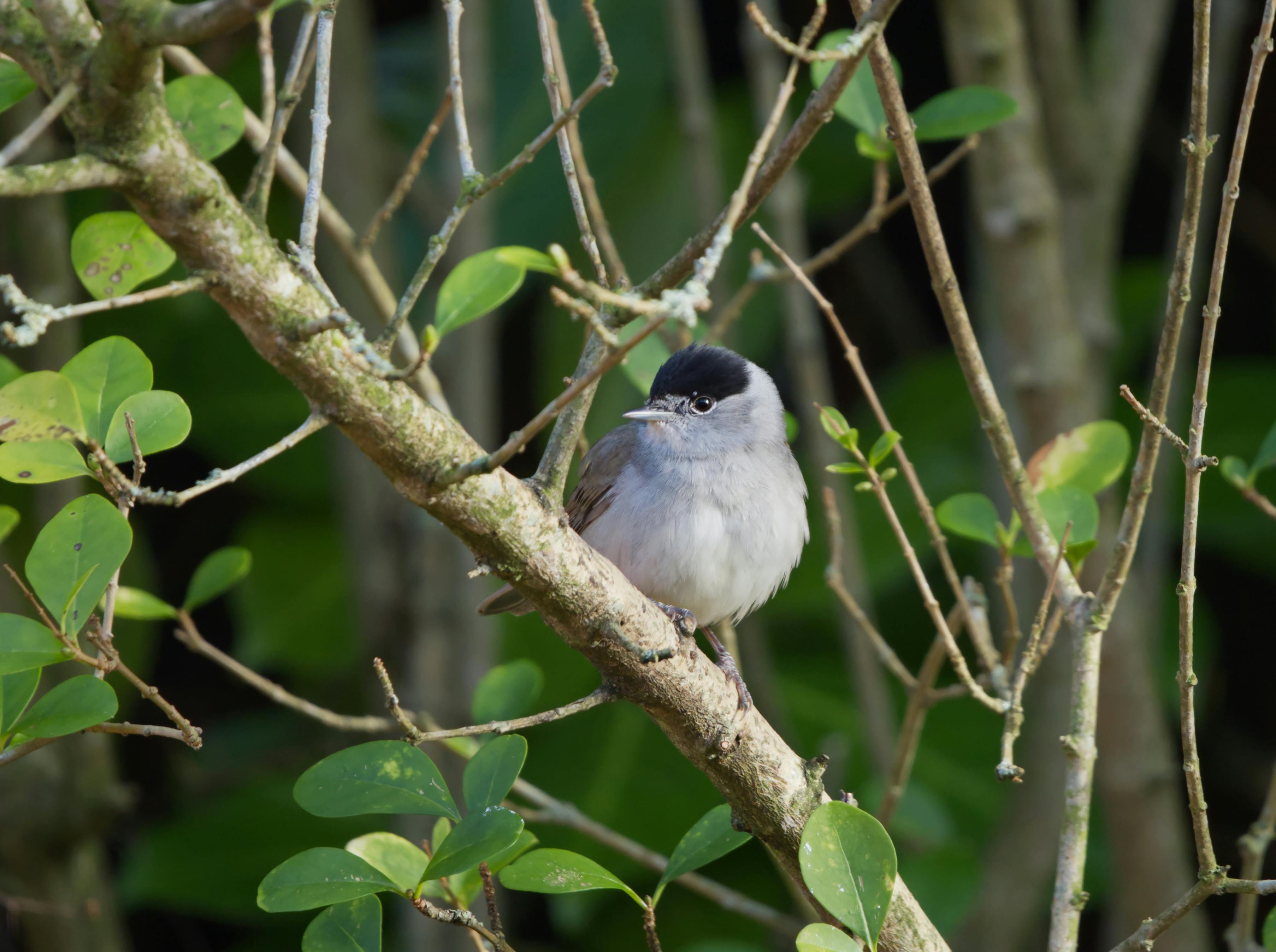
Orange-Crowned Warbler Migration Patterns
The Orange-Crowned Warbler is a small migratory bird that is found in North America. This species of warbler makes annual migrations between its breeding and non-breeding grounds. It can be found in parts of western North America, from Alaska to Mexico and the Caribbean. During the summer months, the Orange-Crowned Warbler can be found breeding in northern parts of its range, including parts of Alaska, Canada, and the western United States. In the winter months it moves south to spend time in areas like Mexico, Central America, and the Caribbean.
The timing of these annual migrations varies from year to year depending on weather conditions and other factors. Generally speaking, they begin their migration in late August or early September and return to their breeding grounds by May or June. During their migration they may stop along the way in areas such as New Mexico and Texas where they feed on insects before continuing on their journey northward. They often use a variety of habitats during migration including deciduous woodlands, shrublands, grasslands, marshes, and agricultural fields.
The Orange-Crowned Warbler has also been known to make long distance flights across the Great Plains during its migration. These birds have been documented flying up to a thousand miles nonstop during these flights! The ability for these birds to make such long flights is an important adaptation for this species since it allows them to quickly move between their breeding and non-breeding grounds each year.
Overall, understanding the migration patterns of this species is essential for conservation efforts aimed at preserving its population numbers throughout its range. With climate change leading to unpredictable weather patterns each season it is important that we continue monitoring this species’ yearly movements so that we can better understand how they are affected by changing environmental conditions.
Conservation Status of the Orange-Crowned Warbler
The orange-crowned warbler (Oreothlypis celata) is a small migratory bird species found in North America and parts of Central America. The species is considered to be common and widespread, but its population has been declining in recent years. The International Union for Conservation of Nature (IUCN) lists the orange-crowned warbler as a species of least concern.
Despite this, the orange-crowned warbler faces threats from habitat loss due to urbanization and other human activities such as logging and agriculture. As its habitats are destroyed, suitable nesting sites become scarce, leading to decreased breeding success and reduced populations. In addition, climate change has caused an increase in extreme weather events that can disrupt migration routes or lead to increased mortality due to cold snaps or heat waves.
To help protect the orange-crowned warbler, conservation efforts should focus on preserving and restoring its habitats. This could include planting native vegetation, creating buffer zones around important habitats, or limiting human disturbances in areas where the birds breed or migrate through. Additionally, monitoring populations over time can provide valuable information about population trends and help inform conservation strategies for this species.
Finally, public education initiatives can also be beneficial in raising awareness about the importance of preserving habitats for migratory birds like the orange-crowned warbler. By bringing attention to the plight of this species, people may be more motivated to take action that will ultimately benefit both the birds themselves and their ecosystems as a whole.
Appearance
The Orange-crowned Warbler is a small songbird. It measures about 4.5 inches in length and has a wingspan of about 7.5 inches. Its upperparts are mostly olive-green and its underparts are yellowish-white. The most distinguishing feature of this warbler is its bright orange crown patch, which can be seen when the bird is singing or agitated. The rest of the head is grayish with faint white streaks along the sides and back of the neck. It has a thin, pointed bill and long legs, which are grayish-brown in color.
Habitat
The Orange-crowned Warbler prefers woodlands and thickets in North America but can also be found in open areas such as gardens, parks, and fields. During the winter months, it can often be found in evergreen forests, chaparral habitats, and mangroves along the Gulf Coast and Mexico’s Pacific Coast.
Diet
The Orange-crowned Warbler feeds mainly on small insects such as aphids, flies, ants, beetles, caterpillars, moths, spiders, and wasps. It also eats some fruit during the summer months when insects are scarce. It uses its bill to pluck food from leaves or branches or to pick food off the ground where it hops along looking for prey items.
Migration
The Orange-crowned Warbler migrates south in the winter to spend its time in South America’s tropical regions before heading north again in springtime to breed in North America’s temperate regions where there is an abundance of insects for them to feed on during their breeding season.
Interesting Facts
One interesting fact about Orange-crowned Warblers is that they have one of the longest migrations among all warblers species; they fly as far south as Mexico during their winter migration! They also have a unique song that is composed of a combination of two notes – a high “tsip” followed by a low “tseep” – which can be heard during their breeding season from April through August. The male Orange-crowned Warblers will sing their song multiple times throughout the day in order to attract potential mates!
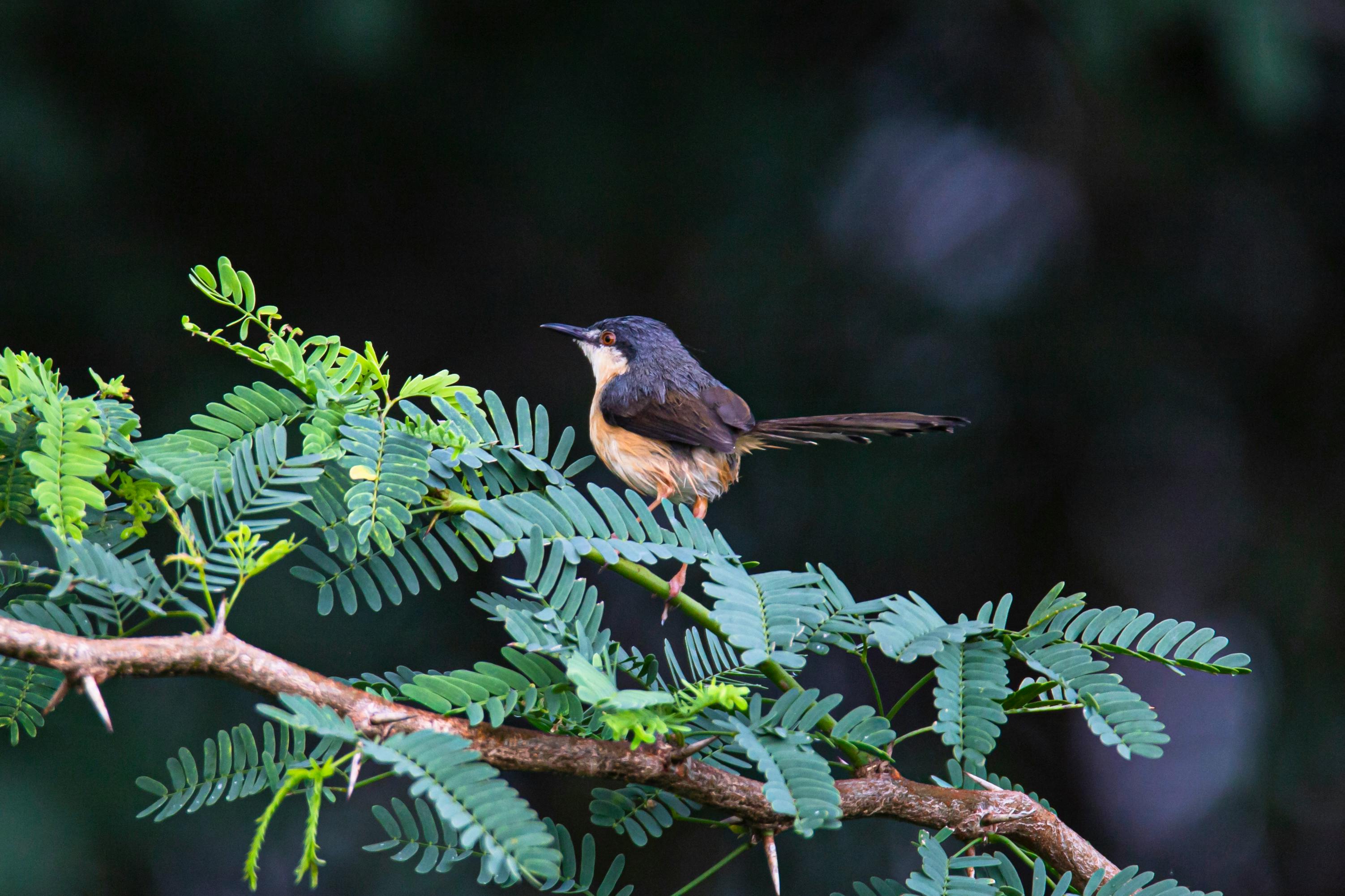
Conclusion
The Orange-Crowned Warbler is a small, migratory songbird native to North America. It is easily identified by its bright yellow chest and the orange-brown streak on its crown. This species is found in a variety of habitats, from coniferous forests to open deciduous woodlands. It feeds mainly on insects and spiders and can be seen foraging in trees and shrubs. In addition to providing food for predators, the Orange-Crowned Warbler also plays an important role in seed dispersal.
The Orange-Crowned Warbler has experienced a population decline due to habitat destruction, but it remains a common breeding species across much of its range. Conservation efforts have focused on protecting important habitats and encouraging people to plant native shrubs that provide food and shelter for these birds. With continued protection of its habitat, the future of this species looks hopeful.
0 Comments